
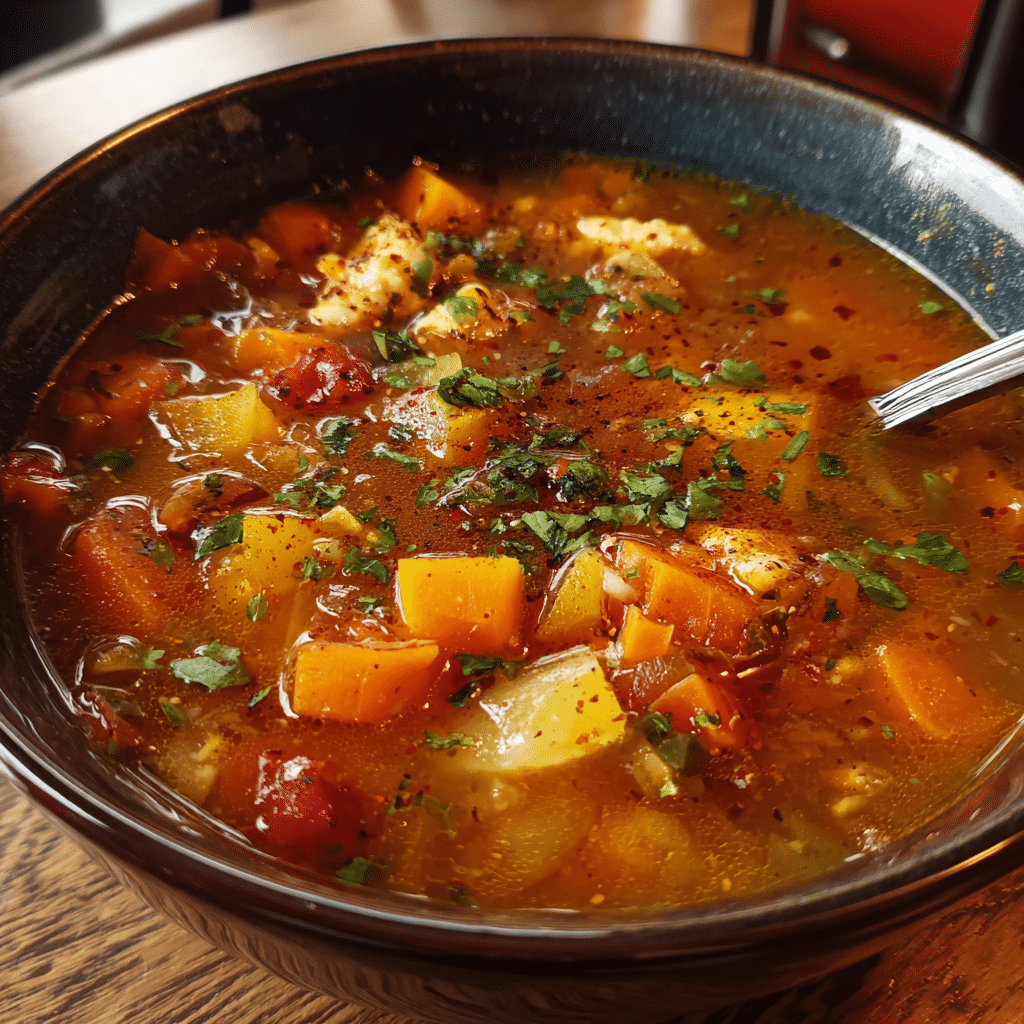
Healing warming soup is exactly what you need when the winter chill seeps into your bones and all you crave is comfort in a bowl. There’s nothing worse than feeling cold, exhausted, and reaching for something that doesn’t truly satisfy or warm you from the inside out. I still remember those winter evenings when I’d come home after a long day, desperately wanting something nourishing but not having the energy for complicated cooking.
Hi, I’m Sam from dishfoody.com, and over the years, I’ve discovered that the secret to surviving cold winter days isn’t just any soup it’s healing warming soup made with intention, packed with nutrients, and designed to comfort both body and soul. These seven recipes I’m sharing today promise more than just warmth; they deliver deep, satisfying flavors that make you feel cared for with every spoonful. Each recipe uses simple, wholesome ingredients that work together to boost your immune system while wrapping you in cozy comfort.
As someone who’s spent countless hours perfecting recipes that bring people together around the table, I’ve learned what makes a soup truly healing. It’s not just about throwing ingredients in a pot—it’s about understanding which combinations provide maximum nutrition, which cooking methods preserve vital nutrients, and how to create layers of flavor that make every bite memorable.
In this comprehensive guide, you’ll discover seven incredible healing warming soup recipes perfect for cold winter days. I’ll walk you through choosing the right ingredients for maximum healing benefits, share preparation techniques that preserve nutrients, provide step-by-step instructions that even beginners can follow, and offer pro tips that will transform your soup-making game. You’ll also learn flavor variations to suit different dietary needs and serving suggestions that turn a simple bowl of soup into a complete, satisfying meal.
Why This Healing Warming Soup Recipe Works
These healing warming soup recipes work because they combine nutritional science with time-tested comfort food traditions. Each recipe has been carefully crafted to deliver both healing properties and incredible flavor, making them perfect for cold winter days when your body needs extra support.
Uses affordable, easy-to-find ingredients: Every healing warming soup recipe in this collection relies on vegetables, legumes, grains, and herbs you can find at any grocery store. No exotic ingredients that require specialty shopping trips just wholesome, accessible foods that pack maximum nutritional punch.
Prepare in 15-30 minutes for maximum convenience: While these soups simmer to perfection, the actual hands-on preparation time is minimal. You’ll spend just 15-30 minutes chopping vegetables and combining ingredients, then let the stove do the rest of the work while you relax.
Perfect for meal prep or immediate comfort: These healing warming soup recipes are incredibly versatile. Make them fresh for immediate comfort when you’re feeling under the weather, or batch-cook on Sunday for easy, nutritious meals throughout your busy week. They freeze beautifully and often taste even better the next day as flavors continue to develop.
Packed with immune-boosting ingredients: Each recipe features ingredients specifically chosen for their healing properties garlic for its antimicrobial effects, ginger for inflammation reduction, turmeric for immune support, and nutrient-dense vegetables that provide vitamins and minerals your body needs during cold winter months.
Choosing the Right Ingredients for Healing Warming Soup
The foundation of any exceptional healing warming soup starts with selecting quality ingredients that work synergistically to provide both nutrition and flavor. Understanding which ingredients offer the most healing benefits helps you create soups that truly support your wellness during cold winter days.
Best Ingredients for Healing Warming Soup Recipes
When crafting healing warming soup, certain ingredients stand out for their exceptional nutritional profiles and medicinal properties. Root vegetables like carrots, sweet potatoes, and parsnips provide beta-carotene and complex carbohydrates that sustain energy without blood sugar spikes. Alliums—onions, garlic, leeks, and shallots contain powerful sulfur compounds that support immune function and add depth of flavor.
Leafy greens such as kale, spinach, and Swiss chard contribute iron, calcium, and vitamins K and C, which are essential during winter when fresh produce consumption often drops. Legumes including lentils, chickpeas, and white beans offer plant-based protein and fiber that keep you satisfied for hours. Fresh herbs like thyme, rosemary, and parsley aren’t just flavor enhancers they contain antioxidants and anti-inflammatory compounds that support healing.
Ginger and turmeric deserve special mention in any healing warming soup. Ginger aids digestion, reduces nausea, and has powerful anti-inflammatory properties. Turmeric contains curcumin, one of nature’s most potent anti-inflammatory compounds, which becomes more bioavailable when combined with black pepper a simple trick that dramatically increases its healing benefits.
Buying Tips for Healing Warming Soup Ingredients
When shopping for ingredients for your healing warming soup, freshness matters significantly. Choose vegetables that feel firm and heavy for their size, indicating high water content and freshness. Root vegetables should have smooth, unblemished skin without soft spots. For leafy greens, look for vibrant color and crisp texture wilted greens have lost both nutrients and flavor.
Buy organic when possible for the “dirty dozen” vegetables that tend to have higher pesticide residues, including celery, spinach, and kale. However, don’t let budget constraints prevent you from making healing warming soup thoroughly washed conventional produce still provides excellent nutrition.
For dried legumes and grains, check expiration dates and buy from stores with high turnover to ensure maximum freshness. Older beans take longer to cook and may never achieve the creamy texture you want in healing warming soup. Store dried goods in airtight containers away from heat and light to preserve their quality.
Fresh ginger and turmeric root should feel firm with taut skin. Avoid pieces that feel soft or show signs of mold. Both freeze exceptionally well—simply grate frozen ginger or turmeric directly into your healing warming soup without thawing.
Substitutions for Healing Warming Soup
One of the beautiful aspects of healing warming soup is its flexibility. If you can’t find a specific ingredient, smart substitutions maintain both nutritional value and delicious flavor. Swap butternut squash for sweet potato, or use turnips instead of parsnips. These root vegetables have similar cooking times and complementary flavor profiles.
For leafy greens, kale, collards, spinach, and Swiss chard work interchangeably in most healing warming soup recipes. Heartier greens like kale and collards need longer cooking times than delicate spinach, so add them earlier in the cooking process.
If a recipe calls for fresh herbs you don’t have, dried herbs work perfectly just use one-third the amount since dried herbs have more concentrated flavor. For example, one tablespoon of fresh thyme equals one teaspoon dried.
Vegetable broth forms the foundation of most healing warming soup recipes, but if you don’t have it on hand, water combined with additional herbs, a bay leaf, and a splash of lemon juice creates a flavorful base. Adding a parmesan rind (if not avoiding dairy) or a piece of kombu seaweed contributes umami depth that mimics the richness of stock.
Ingredients & Prep for Healing Warming Soup
Proper preparation transforms good ingredients into exceptional healing warming soup. Taking time to prep ingredients correctly ensures even cooking, maximum flavor extraction, and optimal nutrient retention all essential for soups that truly heal and comfort during cold winter days.
Vegetable Prep Essentials for Healing Warming Soup
Begin by thoroughly washing all vegetables under cool running water, even if you’re planning to peel them. Dirt and bacteria on the exterior can transfer to your knife and cutting board, contaminating the clean interior. For leafy greens, fill a large bowl with cool water and swish the greens vigorously, then lift them out rather than pouring them through a colander, which can redeposit grit back onto the leaves.
Cut vegetables into uniform sizes to ensure even cooking in your healing warming soup. Generally, aim for ½ to ¾-inch pieces for root vegetables small enough to cook through in reasonable time but large enough to maintain texture and not disintegrate into mush. If you’re making soup that will be pureed, exact size matters less, but consistent sizing still promotes even cooking.
For aromatics like onions, garlic, and ginger that form the flavor foundation of healing warming soup, proper preparation is crucial. Dice onions finely so they melt into the soup base. Mince or grate garlic and ginger grating releases more of their oils and creates a smoother texture in your final soup. If you prefer visible pieces of ginger, slice it into thin matchsticks that are pleasant to encounter in the soup.
Save vegetable scraps in a freezer bag to make homemade vegetable stock for future batches of healing warming soup. Onion skins, carrot peels, celery ends, herb stems, and parsley tops all contribute flavor and nutrients to stock.
Essential Ingredients for Seven Healing Warming Soup Recipes
Recipe 1: Immune-Boosting Ginger Turmeric Soup
- 2 tablespoons olive oil
- 1 large onion, diced
- 4 cloves garlic, minced
- 2 tablespoons fresh ginger, grated
- 1 tablespoon fresh turmeric, grated (or 1 teaspoon dried)
- 4 cups vegetable broth
- 2 cups diced butternut squash
- 1 can (15 oz) chickpeas, drained and rinsed
- 2 cups chopped kale
- 1 can (14 oz) coconut milk
- Juice of 1 lemon
- ¼ teaspoon black pepper
- Sea salt to taste
Recipe 2: Classic Vegetable Lentil Healing Soup
- 2 tablespoons olive oil
- 1 large onion, diced
- 3 carrots, diced
- 3 celery stalks, diced
- 4 cloves garlic, minced
- 6 cups vegetable broth
- 1 cup dried green or brown lentils, rinsed
- 1 can (14 oz) diced tomatoes
- 2 bay leaves
- 1 teaspoon dried thyme
- 1 teaspoon dried oregano
- 2 cups chopped spinach
- Sea salt and pepper to taste
Recipe 3: Creamy Roasted Tomato and White Bean Soup
- 2 pounds fresh tomatoes, halved
- 1 head garlic, top sliced off
- 3 tablespoons olive oil, divided
- 1 large onion, diced
- 4 cups vegetable broth
- 2 cans (15 oz each) white beans, drained and rinsed
- 1 teaspoon dried basil
- ½ teaspoon smoked paprika
- Fresh basil leaves for garnish
- Sea salt and pepper to taste
Recipe 4: Healing Miso Vegetable Soup
- 6 cups vegetable broth
- 3 tablespoons white or yellow miso paste
- 2 tablespoons fresh ginger, grated
- 2 cloves garlic, minced
- 8 oz mushrooms, sliced
- 2 cups chopped bok choy
- 1 block (14 oz) firm tofu, cubed
- 2 green onions, sliced
- 1 tablespoon sesame oil
- 1 sheet nori seaweed, torn into pieces
Recipe 5: Moroccan-Spiced Chickpea and Vegetable Soup
- 2 tablespoons olive oil
- 1 large onion, diced
- 3 carrots, diced
- 3 cloves garlic, minced
- 1 tablespoon fresh ginger, grated
- 2 teaspoons ground cumin
- 1 teaspoon ground coriander
- 1 teaspoon turmeric
- ½ teaspoon cinnamon
- 6 cups vegetable broth
- 1 can (28 oz) diced tomatoes
- 2 cans (15 oz each) chickpeas, drained and rinsed
- 1 large sweet potato, diced
- ½ cup dried red lentils
- 2 cups chopped kale
- Fresh cilantro for garnish
Recipe 6: Cozy Sweet Potato and Ginger Soup
- 2 tablespoons olive oil
- 1 large onion, diced
- 3 tablespoons fresh ginger, grated
- 3 large sweet potatoes, peeled and cubed
- 1 apple, peeled and diced
- 4 cups vegetable broth
- 1 can (14 oz) coconut milk
- 1 teaspoon ground cinnamon
- ¼ teaspoon nutmeg
- Juice of 1 lime
- Sea salt to taste
- Pumpkin seeds for garnish
Recipe 7: Italian White Bean and Kale Soup
- 2 tablespoons olive oil
- 1 large onion, diced
- 4 carrots, diced
- 4 celery stalks, diced
- 6 cloves garlic, minced
- 6 cups vegetable broth
- 2 cans (15 oz each) white beans, drained and rinsed
- 1 can (14 oz) diced tomatoes
- 3 cups chopped kale
- 2 teaspoons dried Italian herbs
- 1 bay leaf
- ¼ teaspoon red pepper flakes
- Fresh parsley for garnish
- Sea salt and pepper to taste
Pantry Staples for Healing Warming Soup
Keep these essential ingredients stocked in your pantry for spontaneous healing warming soup creation. Quality olive oil serves as the cooking fat that helps extract and carry fat-soluble vitamins while adding its own anti-inflammatory properties. Sea salt enhances flavors and contains trace minerals absent in regular table salt.
Dried herbs and spices including bay leaves, thyme, oregano, cumin, turmeric, and smoked paprika—add therapeutic compounds along with flavor. Black pepper is essential not just for taste but because piperine, its active compound, dramatically increases the bioavailability of curcumin from turmeric.
Vegetable broth forms the backbone of most healing warming soup recipes. While homemade is ideal, quality organic boxed broth works perfectly for busy weeknights. Choose low-sodium varieties so you can control salt levels in your finished soup.
Acid brightens and balances healing warming soup. Keep fresh lemons and limes on hand, along with apple cider vinegar. A squeeze of citrus or splash of vinegar added just before serving awakens all the other flavors in your soup.
Canned tomatoes and coconut milk provide convenience without sacrificing nutrition. These pantry staples mean you can create rich, satisfying healing warming soup even when fresh ingredients are limited.

Step-by-Step Cooking Instructions for Healing Warming Soup
Creating exceptional healing warming soup follows a methodical process that builds flavor layer by layer. While each recipe has unique characteristics, these fundamental techniques ensure success with all seven soups.
Pre-Cooking Prep for Healing Warming Soup
Before you begin cooking your healing warming soup, complete all your prep work a practice chefs call “mise en place.” Having everything measured, chopped, and ready prevents scrambling mid-recipe and ensures nothing burns while you’re searching for an ingredient.
Gather all your ingredients and place them near your cooking area. Measure spices into small bowls. Prep all vegetables and have them organized by when they’ll be added to the soup. This preparation might seem like extra work, but it actually makes cooking more relaxing and enjoyable.
Choose the right pot for your healing warming soup. A heavy-bottomed Dutch oven or large soup pot distributes heat evenly and prevents scorching. The pot should be large enough to hold all ingredients comfortably with room for stirring typically 5 to 7 quarts for these recipes.
If your recipe includes ingredients that need roasting (like the tomatoes in Recipe 3), preheat your oven and complete roasting before beginning stovetop cooking. Roasting concentrates flavors and adds complex, caramelized notes that make healing warming soup extraordinary.
Cooking Method for Healing Warming Soup
Step 1: Build the Aromatic Base
Heat olive oil in your soup pot over medium heat. The oil should shimmer but not smoke if it smokes, it’s too hot and may impart bitter flavors to your healing warming soup. Add diced onions and cook, stirring occasionally, for 5-7 minutes until they soften and become translucent. This gentle cooking process releases the onion’s natural sugars and creates a sweet foundation for your soup.
Add garlic, ginger, and any ground spices. Cook for 1-2 minutes, stirring constantly to prevent burning. This brief cooking “blooms” the spices, awakening their essential oils and intensifying their flavors and healing properties throughout your soup.
Step 2: Add Vegetables and Liquids
Add harder vegetables first root vegetables like carrots, sweet potatoes, and parsnips need longer cooking times. Stir to coat them in the aromatic oil, then add your vegetable broth. The liquid should cover the vegetables by about an inch. If needed, add water to achieve proper coverage.
Bring your healing warming soup to a boil over high heat, then immediately reduce to a gentle simmer. Rapid boiling can make vegetables mushy and cause delicate greens to lose their vibrant color. A gentle simmer small bubbles breaking the surface occasionally cooks ingredients evenly while preserving texture and nutrients.
Step 3: Simmer and Develop Flavors
Cover the pot partially (leaving a small gap for steam to escape) and simmer according to your specific recipe, typically 20-35 minutes. The cooking time depends on the ingredients—lentils and root vegetables need longer than quick-cooking greens or pre-cooked beans.
Resist the temptation to stir constantly. Occasional stirring prevents sticking, but too much agitation breaks down vegetables prematurely. Your healing warming soup should have distinct vegetable pieces, not mush.
During simmering, flavors meld and intensify. The vegetables release their nutrients into the broth, creating a healing liquid that’s as beneficial as the solid ingredients. This is why the broth from healing warming soup is so important drink every drop!
Step 4: Add Final Ingredients
About 5-10 minutes before your healing warming soup finishes cooking, add delicate ingredients. Leafy greens like spinach and kale need only brief cooking to become tender while retaining their nutrients and vibrant color. Coconut milk and miso paste should be added at the end since prolonged heating can break their structure or diminish their beneficial properties.
For miso-based healing warming soup, it’s crucial to never boil miso paste. Boiling destroys the beneficial probiotics that make miso a healing ingredient. Instead, remove a ladle of hot broth, whisk the miso paste into it until smooth, then stir this mixture back into the pot off the heat.
Doneness Check for Healing Warming Soup
Your healing warming soup is done when all vegetables are tender but not mushy. The “doneness test” is simple: spoon out a piece of the hardest vegetable in your soup and pierce it with a fork. It should slide in easily with just slight resistance. Overcooked vegetables lose their pleasant texture and some of their nutritional value.
For soups containing lentils or other legumes, they should be tender all the way through with no chalky center, but still holding their shape. If you pinch a cooked lentil between your fingers, it should mash easily but not disintegrate into paste.
Taste your healing warming soup and adjust seasoning. Soups almost always need more salt than you initially think salt enhances all the other flavors. Add salt in small increments, stirring and tasting between additions. You can always add more but can’t take it away.
Balance is key in exceptional healing warming soup. If it tastes flat, add acid (lemon juice or vinegar). If it’s too acidic, add a small pinch of sugar or a bit more coconut milk. If it lacks depth, add more herbs or a splash of tamari (gluten-free soy sauce).
Resting Your Healing Warming Soup
Unlike other dishes where resting is optional, allowing your healing warming soup to rest for 10-15 minutes before serving significantly improves its quality. During this rest period, flavors continue to meld and deepen. The soup also thickens slightly as starches from vegetables and legumes continue to release into the broth.
If time permits, healing warming soup tastes even better the next day. The extended time allows flavors to develop fully. Make your soup a day ahead and refrigerate overnight you’ll be amazed at the flavor improvement. This also makes the soup more convenient since you can simply reheat and serve when you’re ready.
When reheating healing warming soup, do so gently over medium-low heat, stirring occasionally to ensure even warming.
PrintHealing Warming Soup: 7 Best Recipes for Cold Winter Days
This Healing Warming Soup is a comforting blend of nutrient-rich vegetables, herbs, and spices designed to soothe the body and boost immunity. Perfect for cold days and recovery.
- Prep Time: 10 mins
- Cook Time: 25 mins
- Total Time: 35 mins
- Yield: 6 servings 1x
- Category: Soup
- Method: Simmering
- Cuisine: Healthy
- Diet: Vegan
Ingredients
- 1 tbsp olive oil
- 1 onion, chopped
- 2 cloves garlic, minced
- 1-inch piece ginger, grated
- 2 carrots, diced
- 2 celery stalks, diced
- 1 cup chopped kale
- 1 cup chopped mushrooms
- 4 cups vegetable broth
- 1 tsp turmeric
- 1 tsp ground cumin
- Salt and pepper to taste
- Juice of 1 lemon
- Fresh parsley for garnish
Instructions
- 1. Heat olive oil in a large pot over medium heat.
- 2. Add onion, garlic, and ginger; sauté until fragrant.
- 3. Add carrots, celery, mushrooms, and kale; cook for 5 minutes.
- 4. Stir in turmeric, cumin, salt, and pepper.
- 5. Pour in vegetable broth, bring to a boil.
- 6. Reduce heat and simmer for 20-25 minutes.
- 7. Add lemon juice and adjust seasonings.
- 8. Garnish with fresh parsley and serve warm.
Notes
- Use fresh herbs for extra healing properties.
- Add cooked chicken or tofu for protein.
- Perfect for meal prep and reheats well.
- Serve with crusty bread or brown rice.
Nutrition
- Serving Size: 1 bowl
- Calories: 120
- Sugar: 6g
- Sodium: 400mg
- Fat: 4g
- Saturated Fat: 0.5g
- Unsaturated Fat: 3g
- Trans Fat: 0g
- Carbohydrates: 18g
- Fiber: 6g
- Protein: 4g
- Cholesterol: 0mg
Keywords: healing soup, warming soup, immune boosting soup, healthy soup recipe