
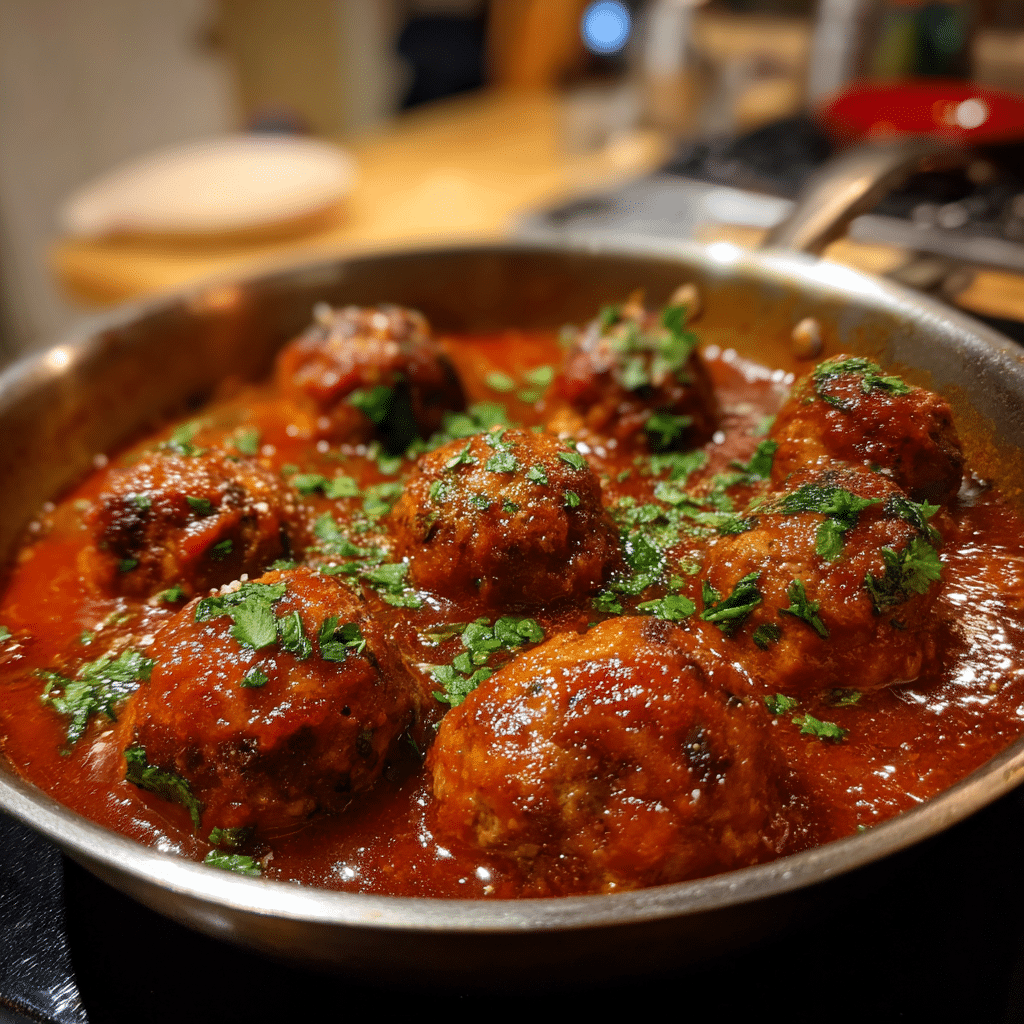
Classic Italian meatballs hold a special place in my heart. I still remember standing in my grandmother’s kitchen, watching her roll perfectly seasoned meatballs with hands that had made thousands before. The aroma of garlic, herbs, and slowly simmering tomato sauce filled every corner of the house. Yet for years, I struggled to recreate that same magic. My meatballs came out dry, dense, or lacking that authentic Italian flavor I craved. If you’ve ever bitten into a meatball that’s tough, bland, or falls apart in the sauce, you know exactly what I mean.
This classic Italian meatballs recipe promises to change everything. These meatballs are tender, flavorful, and hold together beautifully whether you’re simmering them in marinara, serving them over pasta, or tucking them into a sub. They melt in your mouth with every bite, just like Nonna used to make.
Hi, I’m Sam from dishfoody.com, and I’ve spent countless Sunday afternoons perfecting this recipe through trial, error, and guidance from Italian grandmothers who’ve been making meatballs for generations. I’ve tested different meat ratios, bread soaking techniques, and seasoning combinations to bring you a foolproof version that works every single time.
In this guide, you’ll discover the secrets to choosing the right meat blend, essential prep techniques that ensure tender results, step-by-step cooking instructions, pro tips to avoid common mistakes, and creative flavor variations to make this recipe your own. Let’s bring the heart of Italian cooking into your kitchen.
Why This Classic Italian Meatballs Recipe Works
This classic Italian meatballs recipe works because it focuses on three essential elements: authentic flavor, simple convenience, and incredible versatility that fits any occasion.
• Uses affordable, easy-to-find ingredients that don’t require specialty stores
• Comes together in about 30 minutes of active prep time for maximum tenderness
• Perfect for weeknight dinners, weekend family gatherings, meal prep, or entertaining guests
• Freezes beautifully so you can make a double batch and have homemade meatballs ready whenever you need them
• Adaptable to different dietary needs and flavor preferences without sacrificing authentic taste
Choosing the Right Meat for Classic Italian Meatballs
The meat blend makes all the difference in creating classic Italian meatballs with the perfect texture and flavor. Traditional Italian meatballs aren’t made with just one type of meat, and understanding why creates superior results.
Best Cuts for Classic Italian Meatballs
The traditional Italian approach combines ground beef and ground veal or ground turkey for a balanced flavor and moist texture. Ground beef provides rich, savory depth and helps the meatballs hold their shape. The fat content in beef keeps everything tender and juicy. Ground veal adds a delicate, mild flavor and creates an incredibly soft texture that melts in your mouth. If veal isn’t available or doesn’t fit your budget, ground turkey works as an excellent substitute, though it has a slightly leaner profile.
The ideal fat ratio sits around 15-20% for the beef portion. Too lean and your meatballs become dry and dense. Too fatty and they’ll shrink considerably during cooking and taste greasy. Look for ground beef labeled 80/20 or 85/15 for the best results.
Buying Tips for Classic Italian Meatballs
When shopping for meat, freshness matters tremendously. Look for ground meat with a bright, fresh color. Beef should be bright red, not brown or gray. The packaging should be cold to the touch and show no signs of tears or excessive liquid.
Ask your butcher to grind the meat fresh if possible. Freshly ground meat has better texture and flavor than pre-packaged options that may have been sitting for days. If you’re buying pre-packaged, check the sell-by date and choose the furthest date available.
Don’t be shy about talking to your butcher. Ask them to grind a specific blend for you, such as equal parts beef chuck and veal shoulder. Many butchers are happy to create custom blends, and this ensures you’re getting exactly the fat ratio you want for perfect classic Italian meatballs.
Meat Substitutions for Classic Italian Meatballs
If traditional meat blends don’t work for your dietary needs, several substitutions maintain excellent results. Ground chicken or turkey can replace veal while keeping the meatballs tender. Add a tablespoon of olive oil per pound of meat to compensate for the lower fat content.
For a richer flavor profile, some cooks use a blend of beef and ground lamb. The lamb adds a distinctive, slightly gamey note that pairs beautifully with Italian herbs.
Plant-based ground meat alternatives also work surprisingly well in this recipe. Choose versions with higher fat content and add extra moisture through additional milk-soaked bread or a tablespoon of tomato paste mixed into the mixture.
Ingredients & Prep for Classic Italian Meatballs
Proper ingredient selection and preparation set the foundation for exceptional classic Italian meatballs. Each component plays a specific role in creating tender, flavorful results.
Meat Prep Essentials for Classic Italian Meatballs
Start with cold meat straight from the refrigerator. Cold meat is easier to handle and mix without becoming sticky or tough. Never use meat at room temperature for mixing, as the fat can start to smear, creating a dense, rubbery texture.
Remove the meat from packaging and place it in a large mixing bowl. If using multiple types of ground meat, break them up slightly but don’t mix yet. You’ll combine everything together with the other ingredients to avoid overworking the meat.
Keep your hands slightly wet or lightly oiled when forming meatballs. This prevents sticking and creates a smooth exterior that browns beautifully.
Marinades and Seasonings for Classic Italian Meatballs
Classic Italian meatballs don’t typically use marinades, but rather a carefully balanced blend of seasonings mixed directly into the meat. Here’s what you’ll need:
• 2 pounds ground meat blend (1 pound beef, 1 pound veal or turkey)
• 1 cup fresh breadcrumbs or panko breadcrumbs
• ½ cup whole milk or buttermilk
• ½ cup freshly grated Parmesan cheese
• 2 large eggs, lightly beaten
• 4 cloves garlic, minced very fine
• ¼ cup fresh Italian parsley, finely chopped
• 1 tablespoon fresh basil, finely chopped (or 1 teaspoon dried)
• 1½ teaspoons salt
• ½ teaspoon black pepper
• ½ teaspoon red pepper flakes (optional, for slight heat)
The breadcrumbs need to soak in milk for at least 5 minutes before mixing. This creates a panade, a paste that keeps the meatballs incredibly moist and tender. Don’t skip this step or substitute with dry breadcrumbs mixed directly into the meat.
Fresh herbs make a noticeable difference in flavor. If you only have dried herbs, use one-third the amount since dried herbs are more concentrated.
Let the mixed meat rest in the refrigerator for 30 minutes before forming into balls. This rest time allows the breadcrumbs to fully absorb moisture and the flavors to meld together, resulting in better-tasting classic Italian meatballs.
Pantry Staples for Classic Italian Meatballs
Keep these essential ingredients on hand to make classic Italian meatballs anytime:
• Good quality extra virgin olive oil for browning and flavor
• Fresh or dried Italian seasoning blend (oregano, basil, thyme)
• Garlic (fresh cloves, not pre-minced in jars)
• Parmesan cheese (buy a block and grate fresh for best flavor)
• Quality breadcrumbs or day-old Italian bread
• Whole milk for the panade
• Fresh eggs
• Crushed tomatoes or your favorite marinara sauce for simmering
These simple ingredients create authentic flavor without requiring specialty items or expensive additions.
Step-by-Step Cooking Instructions for Classic Italian Meatballs
Following the proper technique ensures your classic Italian meatballs turn out perfectly every time. These detailed steps take the guesswork out of the process.
Pre-Cooking Prep for Classic Italian Meatballs
Begin by soaking your breadcrumbs in milk in a small bowl. Let this sit for at least 5 minutes until the breadcrumbs absorb all the liquid and form a paste. While that’s resting, mince your garlic very finely and chop your fresh herbs.
In your large mixing bowl, combine the ground meats without overworking them. Add the soaked breadcrumb mixture, beaten eggs, grated Parmesan, minced garlic, chopped herbs, salt, pepper, and any optional seasonings.
Here’s the crucial part: mix with your hands using a gentle folding motion. Don’t squeeze, knead, or overmix the meat. Think of it like folding whipped cream into batter. You want everything just combined. Overmixing develops the proteins in the meat, creating tough, dense meatballs instead of tender ones.
Once mixed, cover the bowl and refrigerate for 30 minutes. This rest period makes the mixture easier to shape and allows flavors to develop.
After chilling, prepare a baking sheet lined with parchment paper or a large plate. Fill a small bowl with cold water to keep your hands moist while rolling.
Scoop about 2 tablespoons of meat mixture and gently roll it between your palms to form a ball about 1½ inches in diameter. Don’t pack the meat tightly. Use a light touch and let the mixture naturally come together. Place each formed meatball on your prepared pan with a little space between them.
You should get approximately 24-28 meatballs from this recipe. Keeping them uniform in size ensures even cooking.
Cooking Method for Classic Italian Meatballs
You have three excellent cooking methods for classic Italian meatballs, each with slightly different results.
Browning Then Simmering Method (Traditional):
Heat 2 tablespoons of olive oil in a large skillet over medium-high heat. Once the oil shimmers, add meatballs in batches, being careful not to crowd the pan. Brown them on all sides, about 6-8 minutes total. They don’t need to cook through at this stage, just develop a golden crust.
Transfer browned meatballs to a pot of simmering marinara sauce. Let them finish cooking in the sauce for 20-25 minutes over low heat. This method infuses the meatballs with sauce flavor and creates the most authentic Italian result.
Baking Method (Easier, Less Mess):
Preheat your oven to 400°F. Place formed meatballs on a rimmed baking sheet lined with parchment paper, spacing them about an inch apart. Brush lightly with olive oil.
Bake for 20-25 minutes until golden brown and cooked through. You can finish them in sauce for the last 10 minutes or serve them as is.
This method requires less attention and produces less cleanup, making it perfect for busy weeknights.
Combination Method (Best of Both):
Brown meatballs in a skillet as described above, then transfer them to a baking dish. Pour marinara sauce over them and finish cooking in a 350°F oven for 15-20 minutes. This gives you the flavorful crust from pan-frying with the convenience of oven cooking.
Doneness Check for Classic Italian Meatballs
The safe internal temperature for classic Italian meatballs is 165°F when measured with an instant-read meat thermometer. Insert the thermometer into the center of the largest meatball to check.
If you don’t have a thermometer, cut one meatball in half. The interior should be completely cooked through with no pink remaining, and the juices should run clear, not red or pink.
Undercooked meatballs pose food safety risks, but overcooked ones become dry and tough. The thermometer takes the guesswork out completely.
Resting Classic Italian Meatballs
If you’ve baked your meatballs without sauce, let them rest on the baking sheet for 3-5 minutes after removing from the oven. This brief rest allows the juices to redistribute throughout the meat, keeping every bite moist.
If you’ve simmered them in sauce, you can serve immediately. The gentle, moist heat of the sauce keeps them juicy without requiring additional rest time.
Pro Tips for Perfect Classic Italian Meatballs
These expert techniques elevate your classic Italian meatballs from good to extraordinary.
Avoiding Tough or Dry Classic Italian Meatballs
The most common mistake is overworking the meat mixture. Mix just until combined and handle the meat as little as possible. Every squeeze and compression makes the final texture denser.
Don’t skip the breadcrumb and milk panade. This mixture acts as a binder while adding moisture that keeps meatballs tender even if they cook a few minutes longer than ideal.
Avoid cooking meatballs at too high a temperature. Whether baking or pan-frying, moderate heat allows them to cook through gently without drying out the exterior while the inside finishes.
Don’t press down on meatballs while they’re cooking. Let them brown naturally. Pressing squeezes out the flavorful juices you’ve worked so hard to preserve.
If you’re simmering in sauce, keep the sauce at a gentle simmer, not a rolling boil. Aggressive heat toughens the meat.
Tool Recommendations for Classic Italian Meatballs
A few key tools make preparing classic Italian meatballs significantly easier and more successful.
An instant-read meat thermometer removes all guesswork from doneness. Digital models give readings in just a few seconds and are worth every penny.
A sturdy cookie scoop (about 2 tablespoons) creates perfectly uniform meatballs quickly. Uniform size means even cooking.
A large, heavy-bottomed skillet distributes heat evenly for better browning without burning. Cast iron works beautifully if you have it.
Rimmed baking sheets prevent any rendered fat or juices from dripping into your oven when baking meatballs.
Parchment paper eliminates sticking and makes cleanup effortless whether you’re baking or using it to organize formed meatballs before cooking.
Storage & Reheating Classic Italian Meatballs
Classic Italian meatballs store and reheat beautifully, making them perfect for meal prep and planning.
Refrigerator Storage:
Store cooked meatballs in an airtight container in the refrigerator for up to 4 days. If they’re in sauce, store them together. The sauce keeps them moist. If they’re plain, store them in a container with a tight-fitting lid to prevent drying.
Freezer Storage:
Freeze cooked meatballs for up to 3 months. For best results, flash-freeze them first. Arrange meatballs on a baking sheet without touching and freeze until solid (about 2 hours). Then transfer to freezer bags or containers. This prevents them from freezing into one big clump.
You can also freeze them in sauce. Use freezer-safe containers and leave a little headspace for expansion.
Uncooked meatballs also freeze well. Form them, flash-freeze on a tray, then transfer to bags. Cook from frozen, adding a few extra minutes to the cooking time.
Reheating:
Reheat meatballs gently to avoid drying them out. If they’re in sauce, warm them in a covered pot over low heat, stirring occasionally until heated through (about 15 minutes).
For plain meatballs, reheat in a 300°F oven covered with foil for about 15-20 minutes, or microwave in 30-second intervals with a damp paper towel over them to add moisture.
Craving more recipe inspiration? Follow along on my Pinterest boards for hundreds of flavor-packed ideas that’ll make every meal special: www.pinterest.com
Flavor Variations for Classic Italian Meatballs
Once you’ve mastered the basic technique, these variations let you customize classic Italian meatballs to match your taste preferences and dietary needs.
Spicy Classic Italian Meatballs
Add heat to your classic Italian meatballs by incorporating ½ to 1 teaspoon of red pepper flakes directly into the meat mixture. For deeper, smoky heat, add 1 teaspoon of smoked paprika or a minced chipotle pepper.
You can also make a spicy arrabbiata sauce to simmer your meatballs in. The combination of spicy meatballs in spicy sauce delivers serious flavor for heat lovers.
Fresh jalapeños or Calabrian chili paste mixed into the meat create a different kind of heat with more complex flavor than just red pepper flakes alone.
Keto and Low-Carb Classic Italian Meatballs
Traditional classic Italian meatballs adapt easily to keto and low-carb diets. Replace breadcrumbs with finely ground almond flour or crushed pork rinds. Use the same amount (1 cup) and soak in the milk just as you would with breadcrumbs.
You can also use riced cauliflower that’s been squeezed completely dry as a binder. This adds moisture without carbs.
Skip the milk if you’re strictly avoiding dairy, or use unsweetened almond milk instead. The panade texture won’t be quite as creamy, but adding an extra egg helps compensate.
Serve your keto classic Italian meatballs over zucchini noodles, spaghetti squash, or simply with extra sauce and Parmesan for a satisfying low-carb meal.
Global Flavor Variations for Classic Italian Meatballs
The basic technique for classic Italian meatballs works beautifully as a foundation for global flavors.
| Variation | Key Seasonings | Serving Suggestion | Special Ingredients |
|---|---|---|---|
| Greek-Style | Oregano, mint, cinnamon, lemon zest | Tzatziki sauce, pita bread | Feta cheese mixed in |
| Middle Eastern | Cumin, coriander, allspice, parsley | Tahini sauce, flatbread | Pine nuts, currants |
| Asian-Fusion | Ginger, garlic, scallions, soy sauce | Teriyaki glaze, rice | Panko, sesame oil |
| Mexican-Inspired | Cumin, cilantro, lime, chili powder | Salsa verde, tortillas | Cotija cheese, jalapeños |
| Swedish | Allspice, nutmeg, white pepper | Cream gravy, lingonberries | Cardamom, dill |
Each variation follows the same mixing and cooking techniques as the classic Italian version, just with different seasonings and accompaniments. This versatility makes the basic method incredibly valuable to learn.
Looking for the perfect way to round out your Italian feast? Check out these amazing desserts at dishfoody.com that pair beautifully with classic Italian meatballs.
Serving Suggestions for Classic Italian Meatballs
Classic Italian meatballs shine in numerous serving styles, from traditional pasta dishes to creative modern presentations.
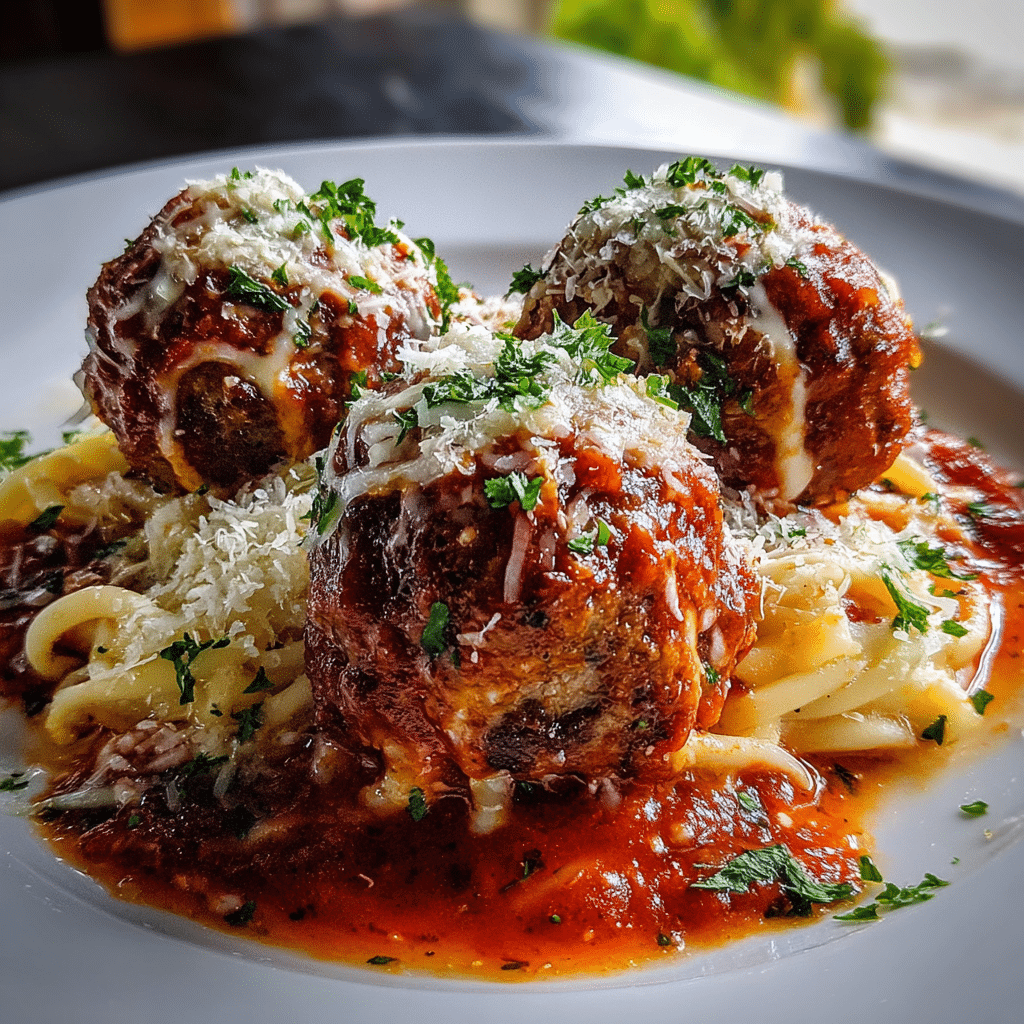
The most traditional serving method places classic Italian meatballs over a bed of spaghetti or other long pasta with plenty of marinara sauce and a generous sprinkle of freshly grated Parmesan cheese. This timeless combination never disappoints.
For a heartier presentation, serve meatballs over creamy polenta or alongside creamy mashed potatoes. The rich, smooth texture of these starches complements the tender meatballs perfectly.
Classic Italian meatballs make incredible sub sandwiches. Split a crusty Italian roll, add several meatballs with sauce, top with mozzarella or provolone cheese, and toast until the cheese melts. Pure comfort food.
Create an impressive appetizer by serving mini classic Italian meatballs on toothpicks with a small dish of warm marinara for dipping. This works wonderfully for parties and gatherings. For more appetizer inspiration, try these heart-shaped bruschetta appetizers at dishfoody.com
Pair your classic Italian meatballs with simple vegetable sides to balance the richness. Roasted asparagus, sautéed green beans with garlic, roasted Brussels sprouts, or a crisp Caesar salad all work beautifully.
For a complete Italian experience, start with a simple antipasto platter, serve your classic Italian meatballs as the main course over pasta or polenta with a side of garlic bread and vegetables, then finish with a sweet treat like this peanut butter sheet cake at dishfoody.com
PrintClassic Italian Meatballs: How to Make Nonna’s Secret Recipe
Juicy, tender classic Italian meatballs made with seasoned ground meat, fresh herbs, and Parmesan cheese perfect for serving with pasta, in subs, or on their own with marinara sauce.
- Prep Time: 15 mins
- Cook Time: 30 mins
- Total Time: 45 mins
- Yield: 20 meatballs 1x
- Category: Dinner
- Method: Stovetop
- Cuisine: Italian
Ingredients
- 1 lb ground beef (or beef/pork blend)
- 1/2 cup Italian-style breadcrumbs
- 1/4 cup milk
- 1/3 cup grated Parmesan cheese
- 1 large egg
- 2 garlic cloves, minced
- 2 tbsp fresh parsley, chopped
- 1 tsp Italian seasoning
- 1 tsp salt
- 1/2 tsp black pepper
- 2 tbsp olive oil
- 2 cups marinara sauce
Instructions
- 1. In a large bowl, combine breadcrumbs and milk; let soak for 1 minute.
- 2. Add ground meat, Parmesan, egg, garlic, parsley, Italian seasoning, salt, and pepper.
- 3. Mix gently until just combined.
- 4. Roll mixture into 1 1/2-inch meatballs.
- 5. Heat olive oil in a large skillet over medium heat.
- 6. Brown meatballs on all sides, about 6–8 minutes.
- 7. Add marinara sauce to the skillet and gently spoon over meatballs.
- 8. Cover and simmer for 15–20 minutes until meatballs are cooked through.
- 9. Serve hot with pasta, bread, or as desired.
Notes
- Avoid overmixing to keep meatballs tender.
- Bake meatballs at 400°F for 18–20 minutes as a lighter option.
- Meatballs freeze well after cooking.
Nutrition
- Serving Size: 5 meatballs
- Calories: 360
- Sugar: 4g
- Sodium: 640mg
- Fat: 22g
- Saturated Fat: 9g
- Unsaturated Fat: 11g
- Trans Fat: 0g
- Carbohydrates: 12g
- Fiber: 1g
- Protein: 26g
- Cholesterol: 95mg
Keywords: classic italian meatballs, homemade meatballs, pasta meatballs, italian dinner