
Why Make This Recipe
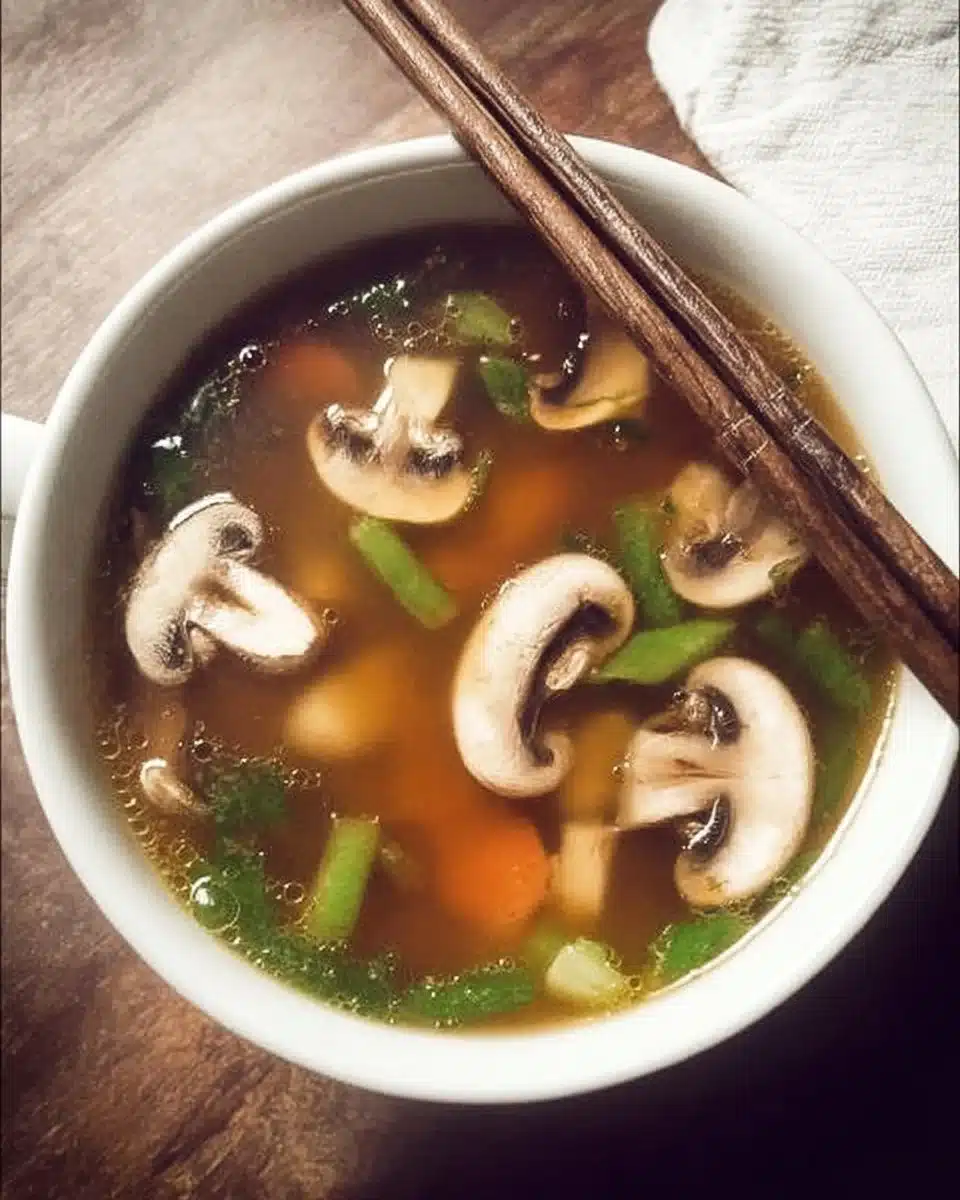
Hibachi Soup is a delightful dish that brings the warmth and flavor of Japanese cuisine into your home. This simple yet hearty soup is both nourishing and satisfying, making it a perfect option for a chilly evening or a cozy family dinner. It’s also a fantastic way to enjoy a variety of vegetables in one bowl, making it a healthy choice for people of all ages. Plus, if you love hibachi-style cooking, you’ll find that this recipe captures that essence, allowing you to recreate the hibachi dining experience right in your kitchen.
Making Hibachi Soup is not just about the ingredients; it’s about the experience of preparing a meal that is rich in flavors and textures. The combination of the umami from the mushrooms, the slight sweetness of the carrots, and the freshness of the bok choy creates a deliciously balanced soup. By cooking it at home, you can control the ingredients, making it as healthy as you like.
Whether you’re looking for a light appetizer or a comforting main course, Hibachi Soup is a versatile dish that also allows you to be creative. You can adjust the seasonings and add more of your favorite vegetables to customize the soup to your liking.
How to Make Hibachi Soup
Making Hibachi Soup is straightforward, and it can be done in just a few steps. Here’s a detailed guide on how to prepare this delicious soup.
Ingredients
- 4 cups vegetable broth
- 1 cup mushrooms, sliced
- 1 cup carrots, thinly sliced
- 1 cup green onions, chopped
- 1 cup bok choy, chopped
- 2 cloves garlic, minced
- 1 inch ginger, grated
- Soy sauce to taste
- Salt and pepper to taste
Directions
- Prepare the Broth: Start by taking a large pot and pouring in the 4 cups of vegetable broth. Place it on the stove over medium-high heat. Allow the broth to come to a gentle boil.
- Add the Vegetables: Once the broth is boiling, add the sliced mushrooms and thinly sliced carrots. Let them cook in the broth for about 5 minutes. This step is crucial as it allows the vegetables to start softening and infusing their flavors into the soup.
- Incorporate Garlic and Ginger: After the mushrooms and carrots have had a chance to cook, it’s time to add depth to the flavor. Stir in the minced garlic and grated ginger. Keep cooking for another minute or two, just long enough for the garlic to become fragrant.
- Include Bok Choy: Now, add the chopped bok choy to the pot. This leafy green will not only add nutritional value but also a lovely texture to the soup. Cook the mixture until the bok choy has wilted and is tender, which should take about 3 minutes.
- Season the Soup: The next step is to enhance the flavor of your soup. Add soy sauce to taste, along with salt and pepper. Start with a little and then adjust according to your preference.
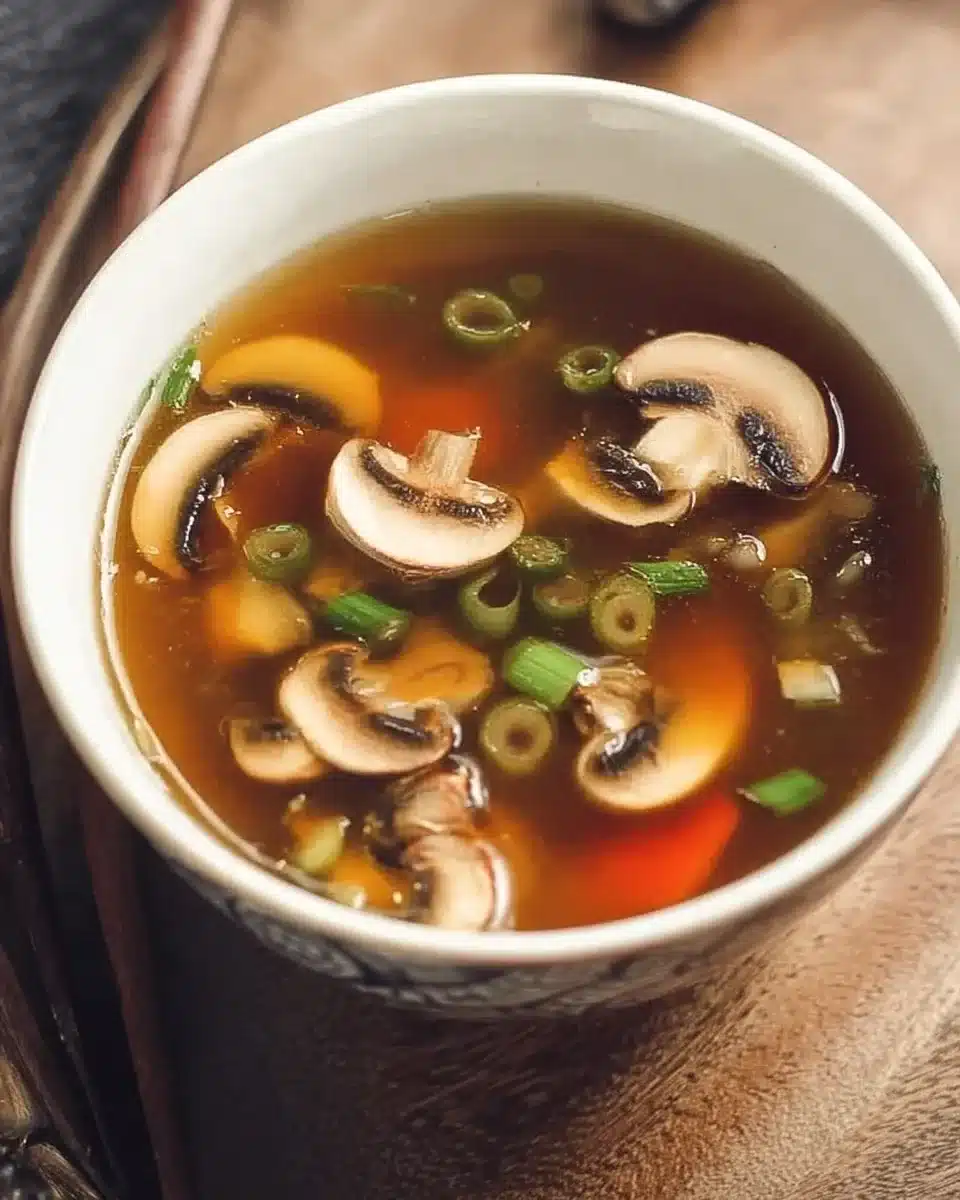
- Serve Hot: Once seasoned, your Hibachi Soup is ready to serve. Ladle it into bowls and finish with a sprinkle of chopped green onions for a fresh and bright finish. Serve it hot, and enjoy the warm, comforting flavors.
How to Serve Hibachi Soup
Serving Hibachi Soup can be a simple yet delightful experience. It is best enjoyed hot, so make sure to serve it fresh from the pot. You can present the soup in individual bowls, garnished with green onions for an appealing look.
In addition to serving it as a standalone dish, consider pairing it with some Japanese-style dumplings or rice for a more filling meal. The light yet flavorful profile of this soup means it also makes an excellent starter before a larger meal. For those who like some heat, adding a dash of chili oil or sriracha when serving can kick up the flavor.
If you have guests, consider serving the soup with small plates containing additional toppings, like sliced chili peppers or fresh herbs. This allows everyone to customize their bowl to their liking, making for an interactive dining experience.
How to Store Hibachi Soup
If you have leftovers or want to prepare the soup in advance, storing Hibachi Soup is easy. Allow the soup to cool down to room temperature, then transfer it into airtight containers. It can be stored in the refrigerator for about 3 to 4 days.
When reheating, it’s best to do so on the stove over medium heat. Stir the soup as it warms through to ensure even heating. You may need to add a splash of water or broth to thin it out, as the vegetables might absorb some of the liquid upon cooling.
If you want to keep the soup for a longer period, you can also freeze it. Pour the cooled soup into freezer-safe containers or bags, leaving some space for expansion. When freezing, aim to consume it within 2 to 3 months for the best flavor and texture. Thaw it overnight in the refrigerator before reheating.
Tips to Make Hibachi Soup
- Fresh Ingredients: Using fresh vegetables will enhance the flavor and nutritional value of your Hibachi Soup. Look for vibrant mushrooms, crisp bok choy, and fresh carrots.
- Customizing Flavors: Don’t hesitate to adjust the seasoning based on your preferences. If you like, you can add a splash of rice vinegar or a pinch of sesame oil for an extra dimension.
- Protein Addition: For those who want to add protein, consider incorporating tofu, chicken, or shrimp. If adding meat, ensure it’s cooked beforehand and warmed through with the soup.
- Vegetarian Option: This recipe is naturally vegetarian, but if you’re looking for a vegan version, simply ensure your soy sauce is vegan-friendly.
- Experiment with Herbs: Different herbs like cilantro or basil can add a unique twist to your Hibachi Soup. Experiment with flavors that appeal to you.
Variation
Hibachi Soup is quite versatile, allowing for various adjustments based on personal preference or seasonal ingredients. Here are a few ideas for variations:
- Miso Hibachi Soup: For an added depth of flavor, stir in a spoonful of miso paste while cooking. This will give the soup a rich, savory umami flavor.
- Spicy Hibachi Soup: If you enjoy some heat, add sliced jalapeños or a spoonful of chili paste along with the garlic and ginger.
- Noodle Add-In: To make the soup heartier, consider adding your favorite noodles, such as soba or udon noodles. Cook them separately according to package instructions and add to the soup just before serving.
FAQs
1. Can I use chicken broth instead of vegetable broth?
Yes, you can substitute chicken broth for vegetable broth if you prefer a richer flavor. However, keep in mind that this will change the profile of the soup from vegetarian to non-vegetarian.
2. Can I make Hibachi Soup ahead of time?
Absolutely! It can be made in advance and stored in the refrigerator for several days. Just remember to reheat it gently before serving.
3. How can I make Hibachi Soup gluten-free?
To make this soup gluten-free, use tamari instead of traditional soy sauce. It has a similar taste without the gluten.
4. What specific mushrooms work best for Hibachi Soup?
While you can use any mushroom, shiitake mushrooms are commonly used in Japanese cuisine and provide a rich flavor. Button or cremini mushrooms are also great alternatives.
5. Is Hibachi Soup suitable for meal prep?
Yes! It’s an excellent choice for meal prep, as it stores well and can be reheated easily, making it easy to enjoy throughout the week.
Hibachi Soup is not only easy to make but also allows for endless customization, making it a delightful addition to any home-cooked meal. Enjoy exploring the flavors and delights of this warming bowl of soup!
PrintHibachi Soup

A delightful and hearty Japanese hibachi-style soup, perfect for a chilly evening or cozy family dinner, packed with vegetables and flavors.
- Prep Time: 10 minutes
- Cook Time: 15 minutes
- Total Time: 25 minutes
- Yield: 4 servings 1x
- Category: Soup
- Method: Stovetop
- Cuisine: Japanese
- Diet: Vegetarian
Ingredients
- 4 cups vegetable broth
- 1 cup mushrooms, sliced
- 1 cup carrots, thinly sliced
- 1 cup green onions, chopped
- 1 cup bok choy, chopped
- 2 cloves garlic, minced
- 1 inch ginger, grated
- Soy sauce to taste
- Salt and pepper to taste
Instructions
- Prepare the broth: Start by taking a large pot and pouring in the vegetable broth. Place it on the stove over medium-high heat and allow to boil.
- Add the vegetables: Once boiling, add the sliced mushrooms and carrots. Cook for about 5 minutes.
- Incorporate garlic and ginger: Add minced garlic and grated ginger, cooking for another minute until fragrant.
- Include bok choy: Stir in the chopped bok choy and cook until wilted and tender, about 3 minutes.
- Season the soup: Add soy sauce, salt, and pepper to taste.
- Serve hot: Ladle into bowls, garnish with green onions, and enjoy.
Notes
Customize with your favorite vegetables or proteins. For added flavor, consider miso or seasonings like sesame oil.
Nutrition
- Serving Size: 1 bowl
- Calories: 150
- Sugar: 3g
- Sodium: 800mg
- Fat: 2g
- Saturated Fat: 0g
- Unsaturated Fat: 1g
- Trans Fat: 0g
- Carbohydrates: 30g
- Fiber: 5g
- Protein: 4g
- Cholesterol: 0mg
Keywords: Hibachi Soup, Japanese Soup, Vegetarian Soup, Cozy Dinner, Comfort Food