
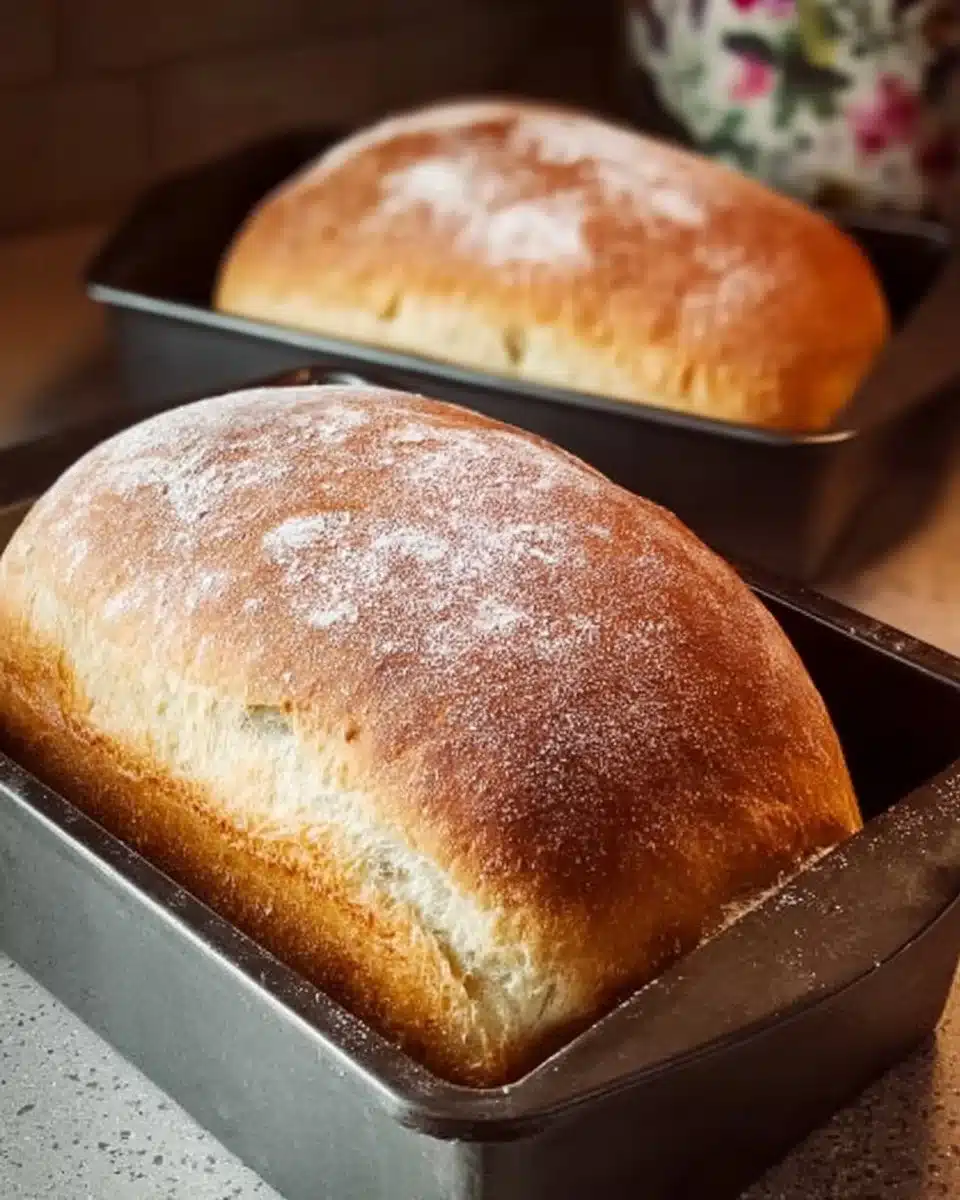
Why Make This Recipe
Making white bread from scratch is a fulfilling and enjoyable experience. The simple ingredients come together to create a soft, fluffy loaf that fills your home with a warm, inviting aroma. Store-bought bread often lacks the freshness and flavor of homemade varieties. When you make bread yourself, you get to control the quality of the ingredients and the process. Plus, there’s something special about kneading dough and watching it rise – it connects you with traditions that have been passed down through generations.
Homemade white bread is versatile, perfect for sandwiches, toast, or just slathered with butter. It can also be a great starting point for many recipes, such as croutons, bread pudding, or French toast. By following this recipe, you can impress family and friends while enjoying the satisfaction of baking from scratch.
How to Make The Best White Bread from Scratch
Making the best white bread from scratch is easy, even if you are a beginner. Follow these simple steps to create a delicious loaf that you will love.
Ingredients:
- 2 cups warm water
- 1/4 cup sugar
- 5 cups flour
- 2 tsp yeast
- 2 tsp salt
- 3 tbsp softened butter
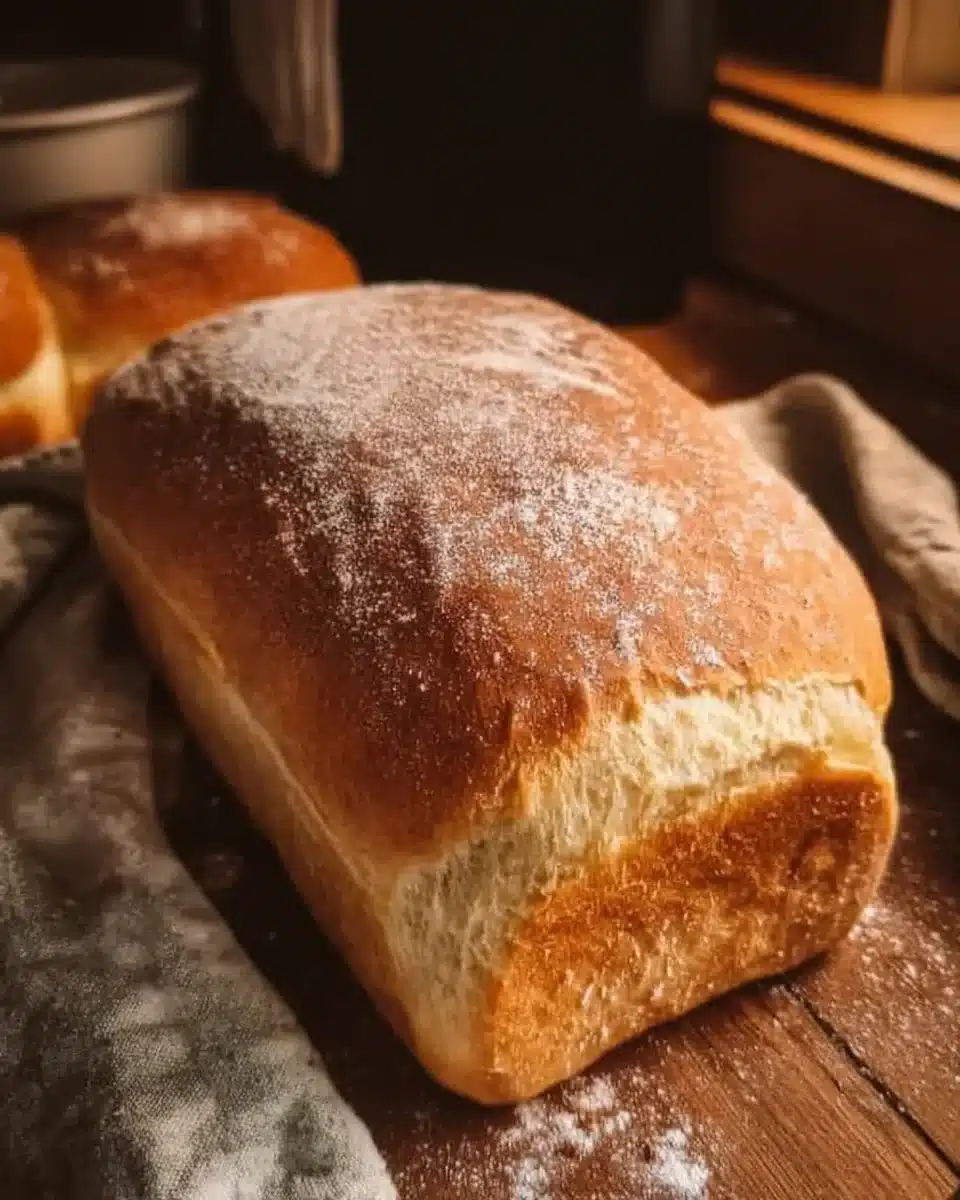
Directions:
- Activate the Yeast: Begin by combining 2 cups of warm water and 1/4 cup of sugar in a liquid measuring cup. Stir this mixture gently until the sugar dissolves. Then, sprinkle 2 teaspoons of yeast over the surface of the water. Let this sit for about 5 to 10 minutes. You will know the yeast is ready when it becomes frothy and bubbly.
- Mix the Dry Ingredients: While the yeast is activating, take a large mixing bowl and combine 5 cups of flour, 2 teaspoons of salt, and 3 tablespoons of softened butter. Using your hands, rub the butter into the dry ingredients. This will help distribute the butter evenly and create a nice crumbly texture.
- Combine Wet and Dry Ingredients: Once you’ve achieved a crumbly texture, pour the activated yeast mixture into the flour mixture. Stir this together until a soft dough starts to form. You may notice that the dough is sticky; this is normal and important for achieving the right texture in your bread.
- Knead the Dough: Now it’s time to knead! If you are kneading by hand, keep the dough in the bowl and work it until it becomes smooth and elastic, which should take about 8 to 10 minutes. If you’re using a stand mixer with a dough hook, knead on medium speed for about 5 to 7 minutes. Remember, avoid adding extra flour, as you want your bread to be soft.
- First Rise: After kneading, cover the bowl with a clean kitchen towel or plastic wrap. Let the dough rise in a warm, dark place for about 1 to 2 hours, or until it doubles in size. If you’re using rapid-rise yeast, this step might take as little as 35 minutes.
- Shape the Loaves: Once the dough has risen, gently punch it down to release the air bubbles. Next, turn it out onto a floured surface and divide it into two equal portions. Shape each portion into a loaf and place them into well-greased loaf pans. A light greasing with butter works best.
- Second Rise: Let the loaves rise again for 30 to 45 minutes. They should rise until they are about an inch above the edge of the pans.
- Preheat the Oven: While the dough is rising, preheat your oven to 375°F (190°C).
- Bake the Loaves: Bake the loaves in your preheated oven for about 25 minutes or until they turn a beautiful golden brown on top.
- Cool and Slice: Once baked, remove the loaves from the pans and let them cool on a wire rack for at least 30 minutes before slicing. This is a very important step! Cutting the bread too soon can affect its texture and moisture.
How to Serve The Best White Bread from Scratch
Homemade white bread is delicious on its own or with various toppings. Serve it warm with butter for a comforting snack or breakfast. You can also use it to make flavorful sandwiches; layer it with deli meats, vegetables, and your favorite condiments for a satisfying lunch.
For breakfast, toast thick slices and top them with jam, honey, or fresh fruit. You can even make French toast by dipping slices into an egg mixture and frying them until golden. The possibilities are endless, and this bread will elevate any meal.
How to Store The Best White Bread
Storing your homemade white bread correctly ensures it stays fresh longer. After the bread has cooled completely, you can wrap it tightly in plastic wrap or aluminum foil. Alternatively, you can place it in an airtight container.
If you want to keep it fresh for a longer time, consider freezing it. Wrap the cooled bread tightly in plastic wrap, then cover it with a layer of aluminum foil or place it in a freezer-safe bag. To enjoy, simply thaw it at room temperature or toast slices directly from the freezer.
Tips to Make The Best White Bread from Scratch
- Use Good Quality Ingredients: Using high-quality flour, fresh yeast, and organic sugar can enhance the flavor and texture of your bread.
- Temperature Matters: Make sure that your water is warm (not hot) to avoid killing the yeast. Around 110°F (43°C) is ideal.
- Don’t Rush the Rise: Patience is key in bread making. Allow sufficient time for the dough to rise. If your kitchen is cool, you can place the dough in a slightly warm oven (turned off) to encourage rising.
- Avoid Adding Too Much Flour: A sticky dough can be intimidating, but if you avoid adding too much flour, you’ll end up with a softer, more airy loaf.
- Experiment with Add-Ins: Adding herbs, cheese, or spices can elevate the flavor of your basic white bread. Get creative!
Variation
This white bread recipe serves as a great base for various variations. Consider adding:
- Herbed Bread: Mix herbs like rosemary, thyme, or oregano into the dough while combining the dry ingredients for a flavorful twist.
- Whole Wheat Blend: Substitute 1 cup of white flour with whole wheat flour for a healthier option. The loaf will have a denser texture.
- Garlic Bread: Add minced garlic or garlic powder to the dough for a delicious garlic bread.
Feel free to personalize your bread to suit your taste preferences!
FAQs
1. Can I use instant yeast instead of active dry yeast? Absolutely! You can replace active dry yeast with instant yeast in the same quantity. There’s no need to activate instant yeast in warm water; you can just mix it directly with the dry ingredients.
2. Why is my bread dense? There are several reasons why bread might turn out dense. Common causes include: not kneading the dough enough, using old yeast, or not allowing the dough to rise sufficiently. Make sure to follow the instructions and give the dough enough time to rise.
3. Can I add ingredients like nuts or fruits? Yes! You can add nuts, dried fruits, or chocolate chips to the dough after the first rise. Just fold them in gently and then shape your loaves for the second rise.
4. How can I tell when the bread is done baking? The bread is done when it is golden brown and sounds hollow when tapped on the bottom. Using a food thermometer, you can also check that the internal temperature is around 190°F (88°C).
5. What should I do if my dough doesn’t rise? If your dough doesn’t rise, it might be due to inactive yeast. Verify the freshness of your yeast before starting the recipe. If your yeast is fine, ensure your kitchen is warm enough for the dough to rise. If not, you can try creating a warm environment by placing it in an oven (turned off) or near a heater.
PrintHomemade White Bread
A simple recipe for making soft and fluffy white bread from scratch, perfect for sandwiches or toast.
- Prep Time: 15 minutes
- Cook Time: 25 minutes
- Total Time: 90 minutes
- Yield: 2 loaves 1x
- Category: Bread
- Method: Baking
- Cuisine: American
- Diet: Vegetarian
Ingredients
- 2 cups warm water
- 1/4 cup sugar
- 5 cups flour
- 2 tsp yeast
- 2 tsp salt
- 3 tbsp softened butter
Instructions
- Activate the yeast: Combine warm water and sugar in a liquid measuring cup. Stir gently until dissolved, then sprinkle yeast on the surface. Let sit for 5 to 10 minutes until frothy.
- Mix the dry ingredients: In a large mixing bowl, combine flour, salt, and softened butter. Rub butter into dry ingredients until crumbly.
- Combine the wet and dry ingredients: Pour activated yeast mixture into the flour mixture. Stir until a soft, sticky dough forms.
- Knead the dough: Knead by hand in the bowl for 8 to 10 minutes or use a stand mixer for 5 to 7 minutes until smooth and elastic.
- Let the dough rise: Cover the bowl with a clean towel and let it rise in a warm place for 1 to 2 hours or until doubled in size.
- Shape the loaves: Punch down the risen dough, turn it out onto a floured surface, and divide into two equal portions. Shape each into a loaf and place in greased pans.
- Second rise: Allow the loaves to rise again for 30 to 45 minutes until an inch above the pans.
- Preheat the oven: Set your oven to 375°F (190°C).
- Bake the loaves: Bake for about 25 minutes until golden brown.
- Cool and slice: Cool the loaves on a wire rack for at least 30 minutes before slicing.
Notes
Letting the bread cool completely before slicing is crucial for maintaining texture and moisture.
Nutrition
- Serving Size: 1 slice
- Calories: 150
- Sugar: 2g
- Sodium: 120mg
- Fat: 4g
- Saturated Fat: 2g
- Unsaturated Fat: 2g
- Trans Fat: 0g
- Carbohydrates: 24g
- Fiber: 1g
- Protein: 4g
- Cholesterol: 10mg
Keywords: bread, homemade, baking, white bread, easy recipe