
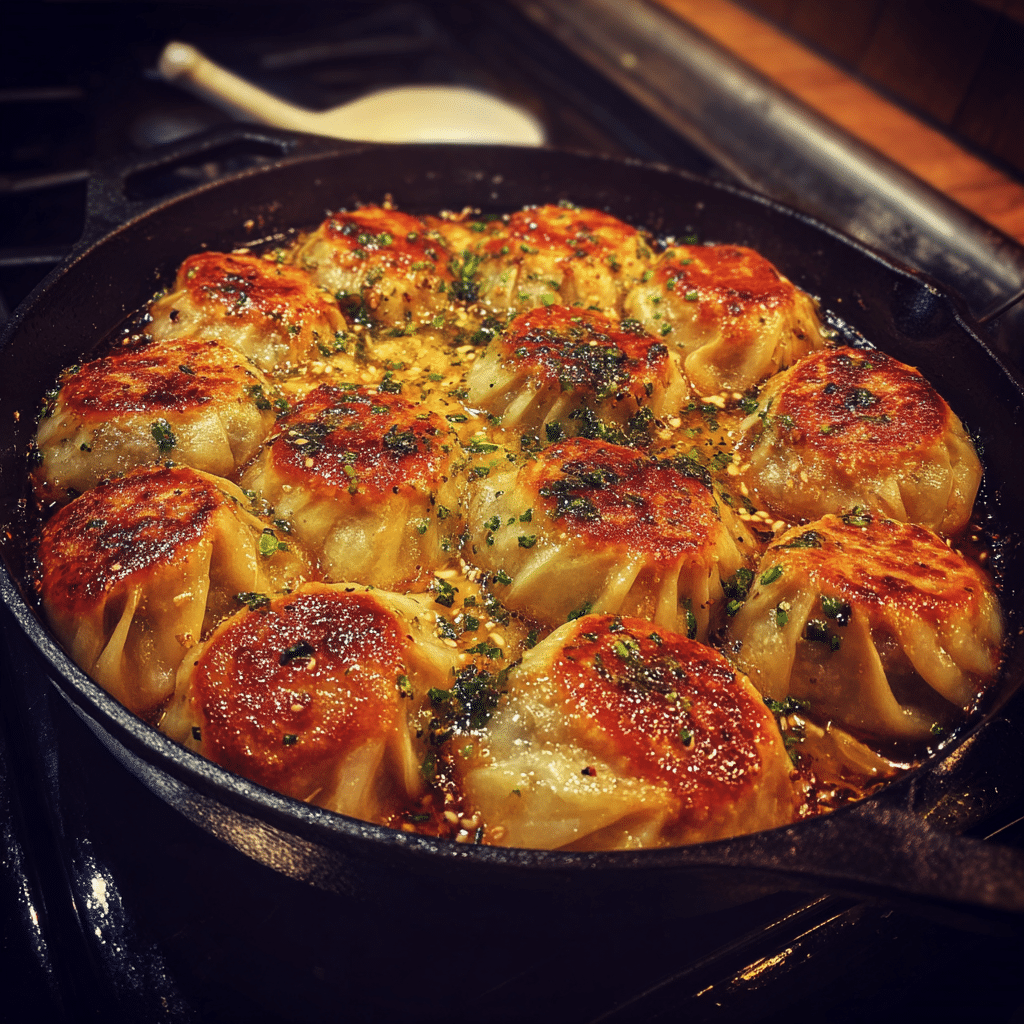
Dumpling Bake starts with a confession: I used to think making dumplings from scratch was reserved for Sunday afternoons when I had hours to spare. Hi, I’m Sam, and at dishfoody.com, I’ve made it my mission to prove that incredible, restaurant-quality meals don’t require complicated techniques or endless prep time. This viral one-pan dumpling bake changed everything for me during a particularly hectic Tuesday evening when I needed dinner on the table fast but still wanted something that felt special and homemade.
This dumpling bake recipe delivers crispy-bottomed, tender dumplings bathed in a savory sauce, all cooked together in one beautiful pan that goes from stovetop to oven in under 30 minutes. The promise here is simple: golden, restaurant-worthy dumplings with minimal cleanup and maximum flavor no steamer baskets, no fussy folding, and definitely no takeout menu required.
After years of experimenting with different dumpling techniques at Dishfoody, I’ve discovered that this method consistently produces the perfect texture contrast: crispy on the bottom, pillowy soft on top, with a flavorful filling that stays juicy every single time. The beauty of this recipe lies in its foolproof nature—even if you’ve never made dumplings before, you’ll look like a culinary genius.
In this guide, I’ll walk you through everything you need to know: why this particular method works so beautifully, how to select or make your dumpling wrappers, the secret ingredient ratios that create that irresistible golden crust, step-by-step cooking instructions that guarantee success, and plenty of variations to customize this dish to your taste. Whether you’re cooking for weeknight dinner or impressing weekend guests, this dumpling bake is about to become your new favorite shortcut to deliciousness.
Why This Dumpling Bake Recipe Works
This dumpling bake has taken social media by storm for good reason it solves the common dumpling dilemma of choosing between steamed or pan-fried by giving you both textures in one dish. The method combines the ease of a casserole with the satisfying crunch of pot stickers, creating something entirely crave-worthy that requires just one pan and about 30 minutes of your time.
• Uses store-bought dumplings or simple homemade wrappers: No need to spend hours hand-folding intricate pleats. Frozen dumplings from your local Asian market or even grocery store work beautifully, making this accessible any night of the week. If you prefer homemade, basic dumpling wrappers require just flour and water.
• Creates the perfect texture in one cooking method: The genius of this recipe lies in starting on the stovetop to create that golden, crispy bottom, then finishing in the oven where steam develops to cook the tops tender while the sauce bubbles around them. You get the best of both worlds without flipping individual dumplings.
• Infinitely adaptable to what you have on hand: The base technique works with virtually any filling—vegetables, tofu, or your protein of choice. The sauce adapts to different flavor profiles from Asian-inspired to Mediterranean, and you can bulk it up with additional vegetables right in the pan.
• Serves a crowd with minimal effort: One pan feeds 4-6 people generously, making it perfect for family dinners or casual entertaining. The visual presentation is stunning enough to serve directly from the cooking vessel, and everyone loves the interactive element of serving themselves from a communal dish.
• Delivers restaurant-quality results at home: That coveted crispy-bottomed dumpling texture that usually requires precise pan-frying technique happens almost automatically with this method. The oven heat circulates evenly, ensuring consistent cooking without the need to monitor and flip each dumpling individually.
Choosing the Right Dumplings for Dumpling Bake
The foundation of an exceptional dumpling bake starts with selecting the right dumplings or wrappers. While this recipe is forgiving, understanding your options will help you achieve the texture and flavor you’re craving.
Best Dumpling Types for This Dumpling Bake Recipe
Frozen dumplings are your quickest path to success with this dumpling bake. Look for potsticker-style dumplings with slightly thicker wrappers that can withstand both the initial pan-frying and oven baking without becoming mushy. Gyoza with thinner wrappers also work but may become more delicate. The filling matters less than the wrapper thickness—vegetable, tofu, or shrimp-filled varieties all bake beautifully.
Fresh dumpling wrappers from the refrigerated section of Asian markets offer a middle ground between convenience and homemade. These round or square wrappers (sometimes labeled as gyoza or potsticker wrappers) give you control over the filling while saving preparation time. They typically have the ideal thickness for this cooking method and create exceptionally tender results.
Homemade dumpling wrappers provide the ultimate customization and surprisingly simple preparation. A basic dough of all-purpose flour, water, and a pinch of salt creates wrappers that are slightly thicker and chewier than store-bought versions. The texture holds up exceptionally well to the dual cooking method in this dumpling bake, and you can adjust the thickness to your preference.
Buying Tips for Your Dumpling Bake
When shopping for frozen dumplings, examine the package for any signs of freezer burn or ice crystals, which indicate the dumplings have been thawed and refrozen. The wrappers should look uniformly white or pale yellow without dark spots or separation from the filling. Asian grocery stores typically offer better quality and variety than conventional supermarkets, often at lower prices.
For fresh wrappers, check the expiration date carefully as they’re quite perishable. The wrappers should feel pliable, not dried out or cracked around the edges. Twin Dragon, Nasoya, and Hong Kong-style brands are widely available and reliable. Keep them tightly wrapped in the refrigerator and use within a few days of opening.
If making wrappers from scratch, invest in all-purpose flour with a moderate protein content (around 10-12%). This creates the right balance of structure and tenderness. Avoid cake flour (too delicate) or bread flour (too tough) unless you’re intentionally adjusting texture.
Substitutions for Dumpling Bake
If you cannot find dumpling wrappers, wonton wrappers make a workable substitute, though they’re thinner and more delicate. You’ll need to reduce the oven time slightly and watch carefully to prevent overcooking. The texture will be lighter and more delicate rather than chewy.
Egg roll wrappers can be cut into smaller squares for a thicker, heartier wrapper that stands up well to the dumpling bake method. They create a more substantial bite and slightly crispier bottom crust.
For a gluten-free version, several brands now offer rice-based dumpling wrappers that work surprisingly well. They behave differently than wheat-based wrappers slightly more delicate and with a different chew but still deliver delicious results when handled gently.
Ingredients & Prep for Dumpling Bake
Setting yourself up for success with this dumpling bake means having your ingredients prepped and ready before you start cooking. The actual cooking moves quickly, so organization is key.
Dumpling Prep Essentials for Dumpling Bake
If using frozen dumplings, do not thaw them before cooking. Frozen dumplings go directly into the hot pan, which actually helps create that coveted crispy bottom. Thawed dumplings tend to stick more and can become gummy.
For fresh or homemade dumplings, arrange them on a lightly floured baking sheet so they’re not touching. This prevents them from sticking together before cooking. If you’ve made them ahead, cover loosely with a slightly damp towel to prevent the wrappers from drying out, but don’t let them sit more than 30 minutes or they’ll become soggy.
When making homemade dumplings, keep your filling cold until you’re ready to assemble. Room temperature or warm fillings make the wrappers soggy and difficult to seal. Have a small bowl of water ready for sealing the edges too much water creates a sloppy mess, while too little means they won’t seal properly. Just a light brush or finger dab along half the wrapper edge is perfect.
The key to preventing sticking during the baking process is choosing the right pan. A well-seasoned cast-iron skillet, oven-safe stainless steel pan, or enameled cast iron works beautifully. The pan should be large enough that dumplings fit in a single layer with minimal overlap crowding creates steam instead of that crispy bottom we’re after.
Sauce Ingredients for Dumpling Bake
For the cooking liquid (creates steam and flavor)
- 1 cup low-sodium vegetable or chicken broth
- 2 tablespoons soy sauce or tamari
- 1 tablespoon rice vinegar
- 1 teaspoon sesame oil
- 2 cloves garlic, minced
- 1 teaspoon fresh ginger, grated
For finishing (adds richness and visual appeal)
- 2 tablespoons neutral oil (vegetable or grapeseed)
- 2 green onions, sliced
- 1 tablespoon sesame seeds
- Chili oil or sriracha for serving (optional)
The sauce serves double duty in this dumpling bake it creates the steam necessary to cook the dumpling tops while forming a flavorful glaze that caramelizes slightly in the oven. The ratio of liquid to dumplings matters: too much and they’ll boil rather than crisp; too little and they’ll burn before cooking through.
Mix your sauce ingredients together before you start cooking so you can add them quickly once the dumplings hit the pan. The garlic and ginger can burn easily if added to a dry hot pan, so incorporating them into the liquid protects their flavor while infusing the cooking broth.
Pantry Staples for Dumpling Bake Success
Essential oils: Neutral high-heat oils like vegetable, canola, or grapeseed oil work best for the initial searing. Their high smoke point prevents burning while creating that golden crust. Sesame oil is used as a finishing flavor rather than a cooking oil since it burns easily and its delicate flavor dissipates with high heat.
Flavor builders: Soy sauce or tamari provides the salty umami base for the sauce. Low-sodium versions give you better control over the final seasoning. Rice vinegar adds brightness and helps balance the richness. White wine vinegar or apple cider vinegar work in a pinch, though the flavor profile shifts slightly.
Aromatics: Fresh garlic and ginger are non-negotiable for authentic flavor in this dumpling bake. Pre-minced versions from jars lack the bright, punchy flavor of fresh. If you absolutely must substitute, use half the amount of jarred since the flavor is more concentrated.
Finishing touches: Toasted sesame seeds add nutty flavor and visual appeal. Green onions provide freshness and color. Chili crisp or chili oil brings heat and complexity for those who enjoy spice. These finishing elements transform the dish from simple to restaurant-worthy.
Step-by-Step Cooking Instructions for Dumpling Bake
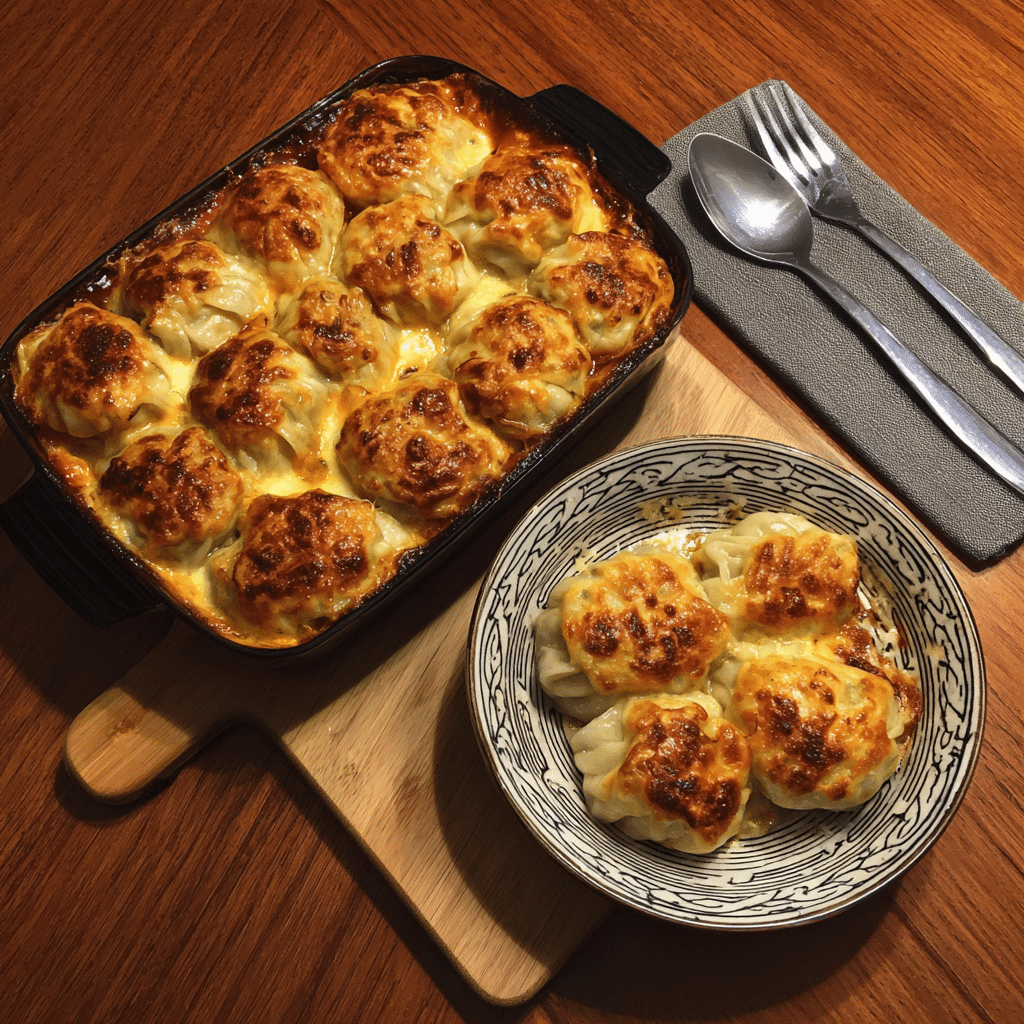
This dumpling bake technique might seem unconventional if you’re used to traditional steaming or pan-frying methods, but trust the process. The combination of stovetop and oven creates magic.
Pre-Cooking Prep for Dumpling Bake
Begin by positioning your oven rack in the middle position and preheating to 425°F (220°C). The oven needs to be fully heated before the pan goes in, ensuring even cooking and proper crisping.
Prepare your sauce by whisking together the broth, soy sauce, rice vinegar, sesame oil, minced garlic, and grated ginger in a measuring cup or small bowl. Set this mixture within arm’s reach of your stovetop since you’ll need to add it quickly once the dumplings begin cooking.
Select an oven-safe pan that’s large enough to hold your dumplings in a single layer with minimal overlap—typically a 12-inch skillet works for about 20-24 dumplings. If your dumplings are homemade or fresh, arrange them on your work surface so you can transfer them quickly to the hot pan. Frozen dumplings can stay in their package until the last minute.
Have your finishing ingredients measured and ready: sliced green onions, sesame seeds, and any additional toppings you plan to use. Once the dumpling bake comes out of the oven, you’ll want to garnish and serve immediately while everything is hot and crispy.
Cooking Method for Dumpling Bake
Heat your oven-safe pan over medium-high heat for about 2 minutes until quite hot but not smoking. Add the 2 tablespoons of neutral oil and swirl to coat the entire bottom surface evenly.
Working quickly, arrange your dumplings in the pan in a single layer, flat side down. They can touch but shouldn’t be stacked. If using frozen dumplings, place them directly from the freezer into the hot oil. You should hear an immediate sizzle this is essential for creating that crispy bottom.
Let the dumplings cook undisturbed for 3-4 minutes until the bottoms develop a golden-brown crust. Resist the urge to move or peek at them during this time. The crust forms through sustained contact with the hot pan, and disturbing them prevents proper browning.
Once the bottoms are golden, carefully pour the prepared sauce mixture around and over the dumplings. The pan will sizzle dramatically and release a cloud of aromatic steam—this is normal. Gently shake the pan to distribute the liquid evenly around all the dumplings.
Immediately transfer the pan to your preheated oven. Bake for 12-15 minutes until the sauce has reduced to a glaze, the dumpling tops are cooked through and slightly translucent, and the edges of the liquid have started to caramelize around the pan edges.
Doneness Check for Dumpling Bake
Your dumpling bake is perfectly done when the dumpling wrappers appear translucent or slightly glossy rather than opaque and floury-looking. The tops should be tender when pressed gently with a spoon, and the sauce should have reduced to a thick, glossy coating rather than a thin, watery liquid.
The bottoms should be deeply golden brown and crispy you can check by gently lifting one dumpling with a spatula to peek underneath. If the bottoms are pale, return the pan to the oven for another 2-3 minutes. If liquid remains watery, continue baking until it reduces and thickens.
For filled dumplings, the filling should be steaming hot throughout. If you’re uncertain, you can insert an instant-read thermometer into the center of a larger dumpling it should register at least 165°F (74°C) to ensure any ingredients are safely cooked through.
The edges of the sauce around the pan perimeter will become slightly caramelized and bubbly. These caramelized bits add incredible flavor, so don’t worry if they look quite dark that’s the delicious fond that makes this dish special.
Resting for Dumpling Bake
Unlike traditional recipes, this dumpling bake needs only a brief 2-3 minute rest after coming out of the oven. This short pause allows the sauce to thicken slightly as it cools and makes the dumplings easier to serve without falling apart.
During this resting time, immediately sprinkle the sliced green onions and sesame seeds over the top while everything is still sizzling hot. The residual heat will lightly toast the sesame seeds and soften the green onions slightly, releasing their aromatic oils.
If any dumplings seem stuck to the pan, gently run a thin spatula underneath them during this resting period while everything is still hot. Once the pan cools completely, stuck dumplings become much more difficult to release.
Serve the dumpling bake directly from the pan if it’s attractive enough for the table, or use a large spatula to transfer portions to individual plates. Try to get some of those caramelized sauce bits from the pan edges with each serving they’re absolutely packed with flavor.
Pro Tips for Perfect Dumpling Bake
After making this dumpling bake dozens of times and troubleshooting every possible issue, I’ve gathered insights that make the difference between good dumplings and absolutely exceptional ones.
Avoiding Soggy or Burnt Dumpling Bake
The most common mistake is using too much liquid, which steams the dumplings rather than creating that signature crispy bottom. The liquid should come about halfway up the dumplings, not cover them. If you’ve accidentally added too much, carefully pour some out before transferring to the oven.
Pan crowding is the enemy of crispiness in this dumpling bake. Dumplings need space for steam to escape and for hot air to circulate in the oven. If your dumplings are touching extensively or stacked, use a larger pan or cook in two batches. A crowded pan creates a steamed texture throughout rather than the contrasting crispy and tender textures we’re after.
Oven temperature matters tremendously. An oven that’s too cool will dry out the dumplings before the sauce caramelizes; too hot will burn the bottoms before the tops cook through. If your oven runs hot or cool, adjust accordingly most home ovens have temperature variations of 25-50°F from the set temperature. An oven thermometer is invaluable for precision.
If the sauce threatens to burn before the dumplings finish cooking, loosely tent the pan with foil for the remaining cooking time. This traps moisture while still allowing the dumplings to cook through. Remove the foil for the last 2 minutes if you want more color on top.
Tool Recommendations for Dumpling Bake Success
A cast-iron skillet is absolutely the best choice for this dumpling bake if you have one. Cast iron retains heat beautifully for that initial sear and distributes oven heat evenly for consistent cooking. The natural non-stick properties of well-seasoned cast iron also help with releasing those crispy bottoms. A 12-inch skillet is the ideal size for a batch serving 4-6 people.
Stainless steel oven-safe skillets work well too, though dumplings may stick slightly more. Combat this by ensuring the pan and oil are properly heated before adding dumplings, and by not disturbing them during the initial searing phase. The sticking will release naturally as the crust forms.
A thin, flexible metal spatula makes serving much easier than a thick, rigid one. You need to slide underneath those crispy bottoms without tearing them, and flexibility helps you navigate the curved pan bottom. Offset spatulas designed for frosting cakes work surprisingly well for this purpose.
While not essential, a splatter screen is helpful during the initial stovetop phase when you add the liquid to the hot pan. The dramatic sizzle sends droplets everywhere, and a screen protects your stovetop and arms while still allowing steam to escape.
Storage & Reheating for Dumpling Bake
This dumpling bake is definitely best enjoyed immediately when the textural contrast between crispy bottom and tender top is most pronounced. However, leftovers can be stored and reheated with reasonable success if you adjust your expectations the crispiness will diminish somewhat.
Store leftover dumplings in an airtight container in the refrigerator for up to 3 days. Keep any remaining sauce in the container with them to prevent drying out. The dumplings will absorb sauce during storage, so they’ll be moister and less crispy when reheated.
To reheat, your best option is returning them to a hot oven rather than the microwave. Preheat your oven to 375°F (190°C), arrange the dumplings on a baking sheet, and heat for 8-10 minutes until warmed through and slightly re-crisped. You can brush them lightly with oil before reheating to encourage crispiness.
For a quicker option, reheat in a skillet over medium heat with a small splash of water or broth. Cover the pan for 3-4 minutes to steam the dumplings warm, then remove the lid and cook for another 2 minutes to evaporate moisture and re-crisp the bottoms somewhat.
Freezing fully cooked dumpling bake isn’t ideal as the texture becomes quite compromised. If you want make-ahead options, freeze assembled uncooked dumplings instead, then cook them directly from frozen using this method, adding 3-5 minutes to the oven time.
Looking for more crowd-pleasing recipes that make entertaining effortless? Check out my Pinterest boards at Dishfoody Magic where I share hundreds of tested recipes, cooking tips, and creative kitchen inspiration that’ll transform your home cooking game!
Flavor Variations for Dumpling Bake
The beauty of this dumpling bake lies in its adaptability. Once you master the basic technique, you can transform the flavor profile to suit any craving or dietary need.
PrintDumpling Bake: How to Make Viral One Pan Dumplings in 30 Minutes
Dumpling Bake delivers frozen dumplings nestled in creamy coconut red curry sauce bubbling with Thai-inspired perfection. Viral one-pan wonder blending tender potstickers with spicy-sweet coconut broth and fresh herb finish. Ultimate easy weeknight dinner hack serving over rice family style.
- Prep Time: 10 mins
- Cook Time: 30 mins
- Total Time: 40 mins
- Yield: 4 servings
- Category: Main Course
- Method: Oven
- Cuisine: Thai
Ingredients
Viral Dumpling Bake: 14-20 oz bag frozen dumplings (any variety) 13.5 oz can full-fat coconut milk 2-3 tbsp red curry paste (adjust spice) 2 tbsp soy sauce (low-sodium) 1 tbsp fish sauce (optional umami) 1 tbsp honey or brown sugar 1 tsp sesame oil 2 garlic cloves (grated) 1-inch ginger (grated) 3 cups baby spinach or bok choy Fresh cilantro, green onions, sesame seeds Garnish: Chili crisp/oil Lime wedges Jasmine rice for serving
Instructions
1. Preheat 375°F. 9×13 OR 9×9 baking dish. Whisk coconut milk + curry paste + soy + fish sauce + honey + sesame oil + garlic + ginger until smooth. Layer spinach/bok choy in dish bottom. Arrange frozen dumplings single layer over greens (flat side down). Pour sauce evenly over dumplings (mostly cover). Cover tight foil. Bake 20 mins. Uncover, bake 5-10 mins bubbly dumplings tender. Garnish chili crisp + cilantro + green onions + sesame. Squeeze lime. Serve immediately over jasmine rice sop sauce.
Notes
Full-fat coconut = rich creamy sauce essential. Frozen dumplings straight freezer = no thaw. Red curry paste = authentic Thai restaurant flavor. Spinach wilts perfectly in residual heat. Chili crisp = crunchy spicy finish MVP. Fish sauce optional = deep umami boost. Bigger dish = more dumplings party size. Veggie swap: Mushrooms broccoli snap peas. Storage: Fridge 2 days reheat oven best. Make-ahead: Assemble bake later perfect.
Nutrition
- Serving Size: 5-6 dumplings + sauce
- Calories: 420
- Sugar: 6g
- Sodium: 980mg
- Fat: 25g
- Saturated Fat: 15g
- Unsaturated Fat: 8g
- Trans Fat: 0g
- Carbohydrates: 38g
- Fiber: 4g
- Protein: 12g
- Cholesterol: 20mg
Keywords: dumpling bake, viral baked dumplings, coconut curry dumplings, one pan dumplings