
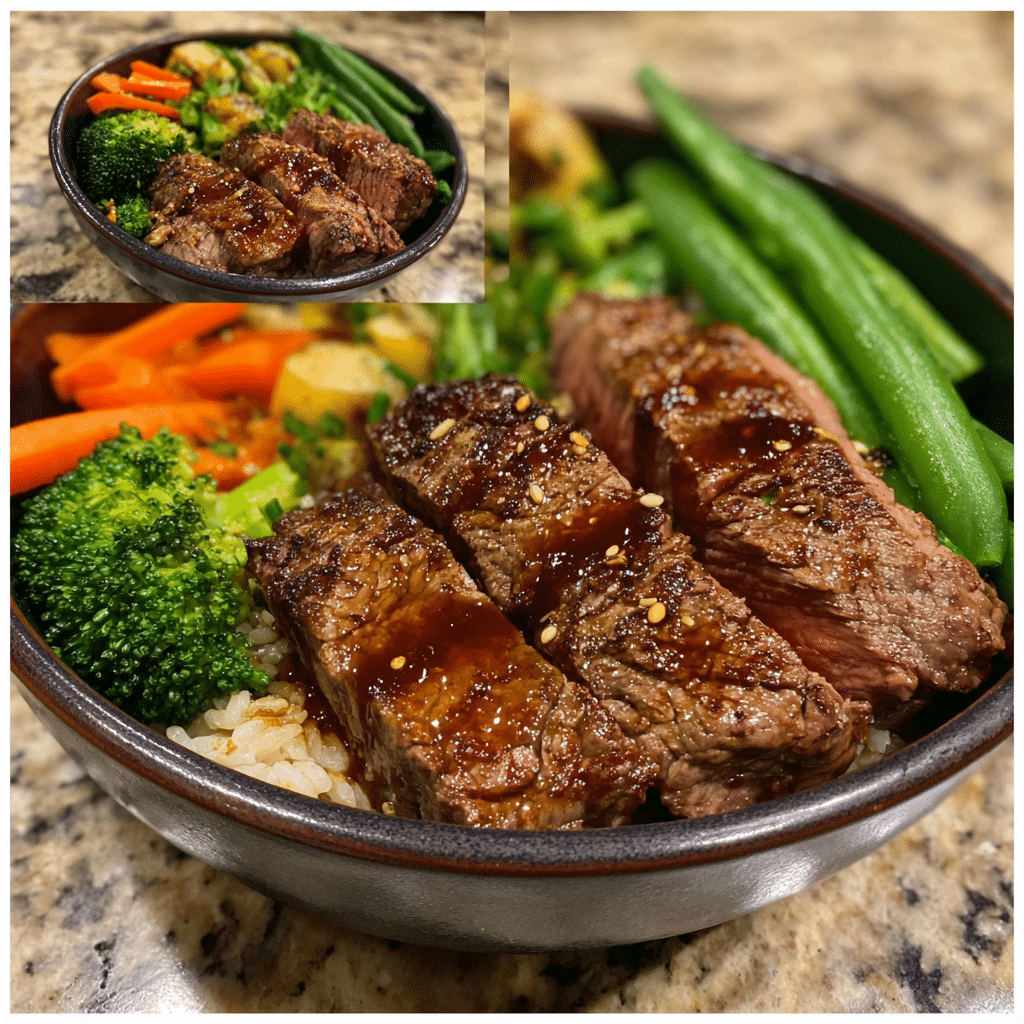
Tired of ordering expensive hibachi takeout that arrives lukewarm and disappointing? I know that frustration all too well. Hi, I’m Sam from dishfoody.com, and I’ve spent countless nights perfecting hibachi steak bowls right in my own kitchen.
What started as a simple craving turned into a beloved recipe collection that my family requests weekly. These hibachi steak bowls deliver restaurant-quality flavor with juicy, perfectly seasoned steak, crisp vegetables, and that signature savory-sweet sauce that makes every bite unforgettable. After years of experimenting with different cuts, marinades, and cooking techniques, I’ve mastered the art of creating hibachi magic at home, and I’m excited to share these five variations with you.
In this guide, you’ll discover expert tips on selecting the right steak, simple prep techniques that maximize flavor, foolproof cooking methods, and creative variations to keep your dinner rotation exciting.
Why These Hibachi Steak Bowls Work
These hibachi steak bowls have become a staple in my kitchen because they solve three major weeknight dinner challenges: they’re budget-friendly, incredibly flavorful, and come together faster than waiting for delivery.
- Uses affordable, easy-to-find cuts of steak that transform into tender, restaurant-quality meat with the right technique
- Marinate in just 15 minutes for maximum tenderness and authentic hibachi flavor without advance planning
- Perfect for busy weeknights when you need dinner fast, yet impressive enough for weekend entertaining
- Customizable base allows you to use whatever vegetables and grains you have on hand, reducing food waste
- Kid-friendly flavors that adults love too, making it ideal for family meals where everyone’s satisfied
Choosing the Right Meat for Hibachi Steak Bowls
Selecting the perfect steak makes all the difference between good and exceptional hibachi steak bowls, and you don’t need to break the bank for outstanding results.
Best Cuts for Hibachi Steak Bowls
Sirloin steak stands as my top recommendation for hibachi steak bowls because it offers excellent flavor, moderate marbling, and stays tender when cut into bite-sized pieces. The uniform texture allows for even cooking, and it absorbs marinades beautifully while remaining budget-friendly compared to premium cuts. Ribeye works wonderfully if you’re treating yourself, as the higher fat content creates incredibly juicy, flavorful pieces with that melt-in-your-mouth quality. For the most economical option, flank steak delivers great taste when sliced thinly against the grain, though it requires slightly more attention to avoid toughness.
Buying Tips for Hibachi Steak Bowls
Look for bright red steak with visible marbling throughout, as those white fat streaks will render during cooking and keep your hibachi steak bowls moist and flavorful. Avoid meat with brown or gray patches, which indicate oxidation and older inventory. The steak should feel firm to the touch, not mushy, and any visible fat should be creamy white rather than yellow. Ask your butcher to cut steaks about one inch thick, which is ideal for creating uniform cubes that cook evenly. Don’t hesitate to request they trim excess fat if you prefer leaner hibachi steak bowls, though leaving some fat enhances flavor significantly.
Substitutions for Hibachi Steak Bowls
While beef creates the most authentic hibachi steak bowls, you can substitute with several alternatives depending on dietary preferences or what’s available. Chicken breast or thighs work excellently with the same marinade and cooking method, though chicken requires cooking to 165°F internally. For a seafood twist, large shrimp or scallops transform these into hibachi seafood bowls with a cooking time of just 3-4 minutes per side. Firm tofu, when pressed and cubed, absorbs the hibachi marinade beautifully and creates satisfying vegetarian hibachi bowls that even meat-lovers appreciate.
Ingredients & Prep for Hibachi Steak Bowls
Proper preparation is the secret to restaurant-quality hibachi steak bowls at home, and these simple steps ensure maximum flavor and tenderness.
Meat Prep Essentials for Hibachi Steak Bowls
Start by patting your steak completely dry with paper towels, as surface moisture prevents proper browning and that caramelized crust hibachi steak bowls are known for. Trim any large sections of external fat, leaving thin marbling intact for flavor. Cut the steak into 3/4-inch cubes, keeping pieces uniform in size so they cook at the same rate. For tougher cuts like flank steak, consider a quick tenderizing session with a meat mallet, or use the back of a knife to score the surface before cutting. Allow the cubed steak to sit at room temperature for 15-20 minutes before cooking, which promotes even cooking throughout each piece.
Marinades for Hibachi Steak Bowls
The signature hibachi marinade combines:
- 1/4 cup soy sauce (low-sodium works great)
- 2 tablespoons sesame oil for nutty richness
- 2 tablespoons rice vinegar for subtle tanginess
- 1 tablespoon honey for balancing sweetness
- 3 cloves garlic, minced
- 1 teaspoon fresh ginger, grated
- 1/2 teaspoon black pepper
Whisk ingredients together and toss with cubed steak, ensuring every piece is coated. Marinate for 15-30 minutes at room temperature or up to 4 hours refrigerated for deeper flavor penetration. The acid in the vinegar helps tenderize while the soy sauce seasons throughout, creating hibachi steak bowls with complex, layered taste.
Pantry Staples for Hibachi Steak Bowls
Beyond the marinade, you’ll need high-heat cooking oil like avocado or vegetable oil, which won’t smoke or burn during the high-temperature cooking hibachi requires. Keep butter on hand for finishing, as a small knob tossed with the cooked steak adds richness that elevates your hibachi steak bowls. Stock your pantry with short-grain white rice or fried rice for the base, and frozen mixed vegetables work perfectly when fresh aren’t available. Soy sauce, garlic powder, onion powder, and sesame seeds serve as essential flavor boosters you’ll reach for repeatedly.
Step-by-Step Cooking Instructions for Hibachi Steak Bowls
Following this precise cooking method guarantees perfectly cooked hibachi steak bowls with tender, caramelized meat and crisp-tender vegetables every time.
Pre-Cooking Prep for Hibachi Steak Bowls
Remove marinated steak from the refrigerator 15 minutes before cooking to bring it closer to room temperature, which ensures even cooking. Pat the cubes lightly with paper towels to remove excess marinade, as too much liquid causes steaming instead of searing. Prepare all your vegetables by cutting them into uniform pieces: dice onions, slice zucchini into half-moons, and separate broccoli into small florets. Cook your rice or noodle base ahead of time so it’s ready when your hibachi steak bowls come together. Set up your cooking station with oil, butter, and seasonings within arm’s reach, as hibachi cooking moves quickly once you start.
Cooking Method for Hibachi Steak Bowls
Heat a large cast-iron skillet or flat griddle over high heat until it’s smoking hot, about 3-4 minutes. Add one tablespoon of high-heat oil and swirl to coat the surface. Working in batches to avoid overcrowding, add steak cubes in a single layer with space between each piece. Let them sear undisturbed for 90 seconds until a golden-brown crust forms. Flip each cube and cook another 60-90 seconds for medium doneness. Remove cooked steak to a plate and repeat with remaining batches. In the same pan, add vegetables with another splash of oil and stir-fry for 3-4 minutes until crisp-tender with light charring. Return steak to the pan, add a tablespoon of butter, and toss everything together for 30 seconds, creating glossy, flavorful hibachi steak bowls.
Doneness Check for Hibachi Steak Bowls
For perfect hibachi steak bowls, aim for an internal temperature of 130-135°F for medium-rare, 135-145°F for medium, or 145-155°F for medium-well. Use an instant-read thermometer inserted into the center of a larger piece for accuracy. The steak will continue cooking slightly after removal from heat, so pull it just before reaching your target temperature. Visual cues include a deep brown crust on the outside while the center shows a warm pink color for medium doneness. If you overcook a batch, don’t worry; the butter and sauce added during assembly will add moisture back into your hibachi steak bowls.
Resting for Hibachi Steak Bowls
Let your cooked steak rest for 3-5 minutes before assembling your hibachi steak bowls, allowing the juices to redistribute throughout the meat rather than running out onto your cutting board. Tent the steak loosely with foil to keep it warm during this brief rest. This step is especially important if you’re cooking in batches, as the first batch stays juicy while you finish the rest. Resting also allows the exterior temperature to equalize with the interior, preventing that unpleasant experience of biting into meat that’s cold in the center.
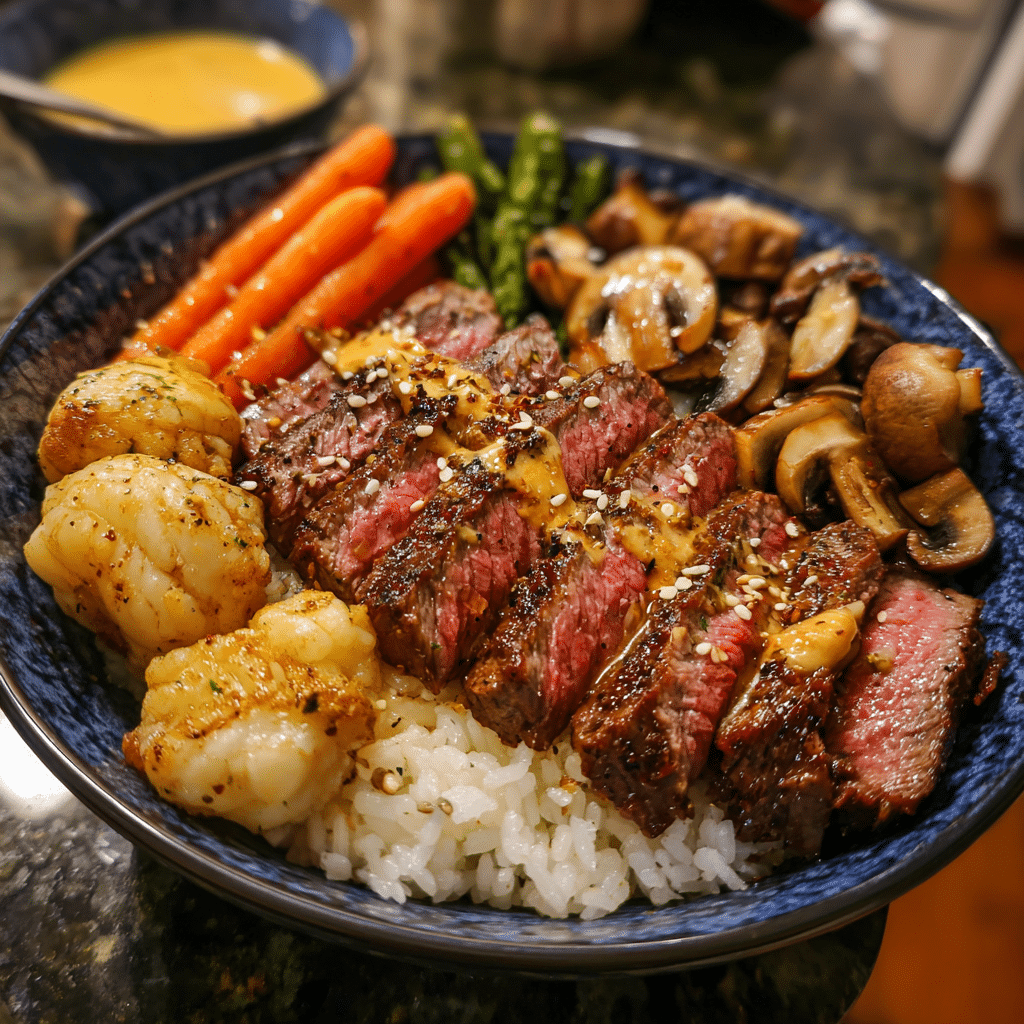
Pro Tips for Perfect Hibachi Steak Bowls
These expert techniques I’ve developed over years of making hibachi steak bowls will take your results from good to absolutely exceptional.
Avoiding Tough or Dry Hibachi Steak Bowls
Don’t overcrowd your cooking surface, as too many steak pieces at once drops the pan temperature and causes steaming instead of searing, resulting in gray, tough meat. Cook in small batches, keeping finished pieces warm in a low oven if needed. Never press down on the steak while cooking, as this squeezes out precious juices that keep your hibachi steak bowls moist. Avoid cooking straight from the refrigerator, as cold meat contracts when it hits high heat, becoming dense and chewy. If your steak seems tough after cooking, slice it thinner against the grain before serving, which shortens the muscle fibers and makes each bite more tender.
Tool Recommendations for Hibachi Steak Bowls
Invest in a reliable instant-read thermometer, which removes all guesswork and ensures perfectly cooked hibachi steak bowls every single time. A heavy cast-iron skillet or griddle retains heat beautifully and creates that restaurant-quality sear impossible to achieve with thin pans. Long-handled metal spatulas allow you to flip and toss ingredients quickly without burning your hands. Consider a splatter screen if your stove is close to walls, as high-heat cooking produces considerable oil spray. For meal prep enthusiasts, glass meal prep containers with divided sections keep the components of your hibachi steak bowls fresh and separated until you’re ready to eat.
Storage & Reheating Hibachi Steak Bowls
Store leftover components separately for best results, keeping cooked steak, vegetables, and rice in individual airtight containers in the refrigerator for up to 4 days. When stored together, the moisture from vegetables can make rice mushy. Reheat steak gently in a skillet over medium heat with a splash of water or broth, which adds moisture and prevents drying. Alternatively, microwave in 30-second intervals, stirring between each, until just warmed through. Freeze cooked steak in its marinade or a bit of broth for up to 3 months, thawing overnight in the refrigerator before reheating. Vegetables lose their crisp texture when frozen, so I recommend making those fresh each time for the best hibachi steak bowls experience.
Looking for more recipe inspiration and cooking tips? Follow me on Pinterest at www.pinterest.com where I share daily cooking hacks, meal prep ideas, and beautiful food photography that will make your mouth water and inspire your next kitchen creation!
Flavor Variations for Hibachi Steak Bowls
One of the best aspects of hibachi steak bowls is their incredible versatility, allowing you to customize flavors to match your mood or dietary preferences.
Spicy Twist on Hibachi Steak Bowls
Transform your hibachi steak bowls into a fiery feast by adding 1-2 teaspoons of sriracha or sambal oelek to your marinade. Sprinkle red pepper flakes over the steak while cooking for visible heat that builds gradually. For deeper complexity, mix gochugaru Korean chili flakes into your sauce, which adds smoky sweetness alongside the heat. Top finished bowls with sliced jalapeños or serrano peppers for fresh, bright spiciness. A drizzle of spicy mayo made from mayonnaise and sriracha creates creamy heat that balances the savory elements perfectly in these spicy hibachi steak bowls.
Keto and Paleo Hibachi Steak Bowls
Make these hibachi steak bowls keto-friendly by replacing the rice base with cauliflower rice, which absorbs the delicious juices while keeping carbs low. Substitute honey in the marinade with a sugar-free sweetener like monk fruit or erythritol to maintain that characteristic sweetness. Use coconut aminos instead of soy sauce for a paleo-compliant version that’s equally flavorful. Load up on low-carb vegetables like zucchini, mushrooms, and bell peppers while skipping higher-carb options like carrots and corn. These modifications create satisfying keto hibachi steak bowls with all the flavor and none of the guilt.
Global Flavors in Hibachi Steak Bowls
Korean-inspired hibachi steak bowls incorporate gochujang paste in the marinade for sweet, savory, fermented complexity, finished with kimchi and sesame seeds. Mediterranean versions swap the Asian marinade for olive oil, lemon, garlic, and oregano, served over couscous with cucumber and tomato. Thai-style bowls feature a marinade with fish sauce, lime juice, and lemongrass, topped with fresh herbs like cilantro and basil. Mexican-inspired variations use cumin, chili powder, and lime in the marinade, served over cilantro-lime rice with black beans and avocado. These global twists on hibachi steak bowls keep your dinner rotation endlessly interesting.
| Variation | Key Flavors | Base Options | Top Garnishes | Best For |
|---|---|---|---|---|
| Classic Hibachi | Soy sauce, ginger, garlic, sesame | White rice, fried rice | Green onions, sesame seeds | Traditional flavor lovers |
| Spicy Korean | Gochujang, gochugaru, garlic | White rice, cauliflower rice | Kimchi, sesame seeds, green onions | Heat seekers |
| Keto-Friendly | Coconut aminos, ginger, sugar-free sweetener | Cauliflower rice, zucchini noodles | Avocado, sesame seeds | Low-carb dieters |
| Mediterranean | Olive oil, lemon, oregano, garlic | Couscous, quinoa | Feta cheese, cucumber, tomatoes | Light, fresh preferences |
| Thai-Inspired | Fish sauce, lime, lemongrass, chili | Jasmine rice, rice noodles | Cilantro, basil, peanuts, lime wedges | Bold, herbal flavors |
Serving Suggestions for Hibachi Steak Bowls
The beauty of hibachi steak bowls lies in their flexibility, allowing you to pair them with countless sides and accompaniments that complement the savory, umami-rich flavors.
Serve your hibachi steak bowls over fluffy white rice, which soaks up all the delicious juices and sauce, or try fried rice with scrambled eggs and vegetables for a more substantial base. Cauliflower rice offers a lighter, low-carb alternative that still provides satisfying texture. Add a side of steamed edamame sprinkled with sea salt for protein-rich crunch, or try cucumber salad dressed with rice vinegar and sesame oil for refreshing contrast. Miso soup makes an excellent starter that prepares your palate for the rich flavors ahead. For crunch and freshness, serve alongside a simple Asian slaw with cabbage, carrots, and a tangy ginger dressing. If you’re looking for more creative appetizer ideas to start your meal, check out these heart-shaped bruschetta appetizers that add an elegant touch to any dinner.
Beverage pairings enhance the overall experience of your hibachi steak bowls significantly. Green tea, either hot or iced, cleanses the palate between bites without overwhelming the delicate flavors. For non-drinkers, sparkling water with a squeeze of lime provides refreshing effervescence. Japanese ramune soda adds a fun, nostalgic element if you’re creating a full hibachi experience at home. The key is choosing beverages that refresh rather than compete with the complex flavors in your hibachi steak bowls.
FAQs About Hibachi Steak Bowls
Can I use frozen steak for hibachi steak bowls?
Yes, you can use frozen steak for hibachi steak bowls, but proper thawing is essential for best results. Thaw completely in the refrigerator overnight, never at room temperature, to maintain food safety and meat quality. Pat the thawed steak very dry before cutting and marinating, as frozen steak releases more moisture than fresh. While frozen steak works in a pinch, fresh steak typically offers better texture and flavor for hibachi steak bowls, as freezing can slightly alter the meat’s cellular structure.
How do I fix overcooked steak in hibachi steak bowls?
If you’ve overcooked your steak, slice it as thinly as possible against the grain, which shortens the muscle fibers and makes it easier to chew. Toss the sliced steak with extra butter, a splash of beef broth, or additional hibachi sauce to add moisture back. Serving overcooked steak in hibachi steak bowls with plenty of sauce-coated rice and vegetables helps distribute moisture throughout each bite. For future batches, pull steak from heat when it’s 5 degrees below your target temperature, as carryover cooking will bring it to perfect doneness.
What vegetables work best in hibachi steak bowls?
Classic hibachi vegetables include zucchini, onions, mushrooms, and broccoli, which all hold up well to high-heat cooking while maintaining some texture. Bell peppers add sweetness and color, while snap peas provide satisfying crunch. Carrots work beautifully when sliced thinly or julienned so they cook quickly. Avoid watery vegetables like tomatoes or delicate greens that wilt immediately, as they don’t provide the right texture for hibachi steak bowls. The best vegetables offer a balance of sweetness, texture, and the ability to develop light char without becoming mushy.
Can I meal prep hibachi steak bowls?
Absolutely! Hibachi steak bowls are excellent for meal prep when stored properly. Cook all components and store them separately in airtight containers: steak in one, vegetables in another, rice in a third, and sauce in a small container. This prevents components from making each other soggy and allows you to control portions. Assembled this way, your meal-prepped hibachi steak bowls stay fresh for 4-5 days in the refrigerator. Reheat gently to avoid overcooking the steak, and add fresh garnishes like green onions and sesame seeds just before eating for the best presentation.
Are hibachi steak bowls safe during pregnancy?
Hibachi steak bowls are safe during pregnancy as long as you cook the steak to an internal temperature of at least 145°F, which eliminates harmful bacteria. Pregnant women should avoid rare or medium-rare steak due to the risk of toxoplasmosis and other foodborne illnesses. Use a meat thermometer to verify doneness rather than relying on visual cues alone. All other components of hibachi steak bowls, including cooked vegetables and rice, are perfectly safe. If you’re concerned, cook the steak to 160°F for well-done, which provides additional safety while still delivering satisfying flavor when prepared with proper technique.
How do I make hibachi sauce for steak bowls?
The signature hibachi sauce combines 1/2 cup mayonnaise, 2 tablespoons melted butter, 1 tablespoon tomato paste, 1 tablespoon rice vinegar, 1 teaspoon garlic powder, 1 teaspoon onion powder, and 1/2 teaspoon paprika. Whisk everything together until smooth and creamy. This sauce adds richness and tang to hibachi steak bowls, drizzled over the top or served on the side for dipping. Store leftover sauce in an airtight container in the refrigerator for up to one week. Some variations include a touch of sriracha for heat or a squeeze of fresh lemon juice for brightness.
PrintHibachi Steak Bowls: 5 Easy Recipes for Ultimate Flavor
Flavor-packed hibachi steak bowls with tender seared steak, sautéed vegetables, fluffy rice, and a savory garlic-soy hibachi sauce an easy restaurant-style meal made at home.
- Prep Time: 15 mins
- Cook Time: 15 mins
- Total Time: 30 mins
- Yield: 4 servings 1x
- Category: Dinner
- Method: Skillet
- Cuisine: Japanese-Inspired
Ingredients
- Steak:
- 1 lb sirloin or ribeye steak, sliced
- Salt and black pepper to taste
- 1 tbsp vegetable oil
- Hibachi Vegetables:
- 1 tbsp butter
- 1 zucchini, sliced
- 1 onion, sliced
- 1 cup mushrooms, sliced
- Rice & Sauce:
- 3 cups cooked white or fried rice
- 2 tbsp soy sauce
- 1 tbsp teriyaki sauce
- 1 tsp sesame oil
- 2 cloves garlic, minced
- Optional Toppings:
- Sesame seeds
- Green onions
- Yum yum sauce
Instructions
- 1. Season steak with salt and black pepper.
- 2. Heat vegetable oil in a large skillet over high heat.
- 3. Sear steak slices for 2–3 minutes until browned; remove and set aside.
- 4. In the same skillet, melt butter and add zucchini, onion, and mushrooms.
- 5. Cook vegetables until tender-crisp and lightly caramelized.
- 6. Add garlic, soy sauce, teriyaki sauce, and sesame oil; stir to combine.
- 7. Return steak to the skillet and toss with vegetables.
- 8. Warm rice and divide among bowls.
- 9. Top rice with steak and vegetables.
- 10. Garnish with sesame seeds, green onions, and yum yum sauce if desired.
Notes
- Use day-old rice for best fried rice texture.
- Cook steak in batches to avoid overcrowding.
- Swap steak for chicken or shrimp if desired.
Nutrition
- Serving Size: 1 bowl
- Calories: 560
- Sugar: 6g
- Sodium: 780mg
- Fat: 24g
- Saturated Fat: 9g
- Unsaturated Fat: 13g
- Trans Fat: 0g
- Carbohydrates: 48g
- Fiber: 3g
- Protein: 38g
- Cholesterol: 110mg
Keywords: hibachi steak bowls, steak rice bowls, hibachi dinner, easy steak bowl