
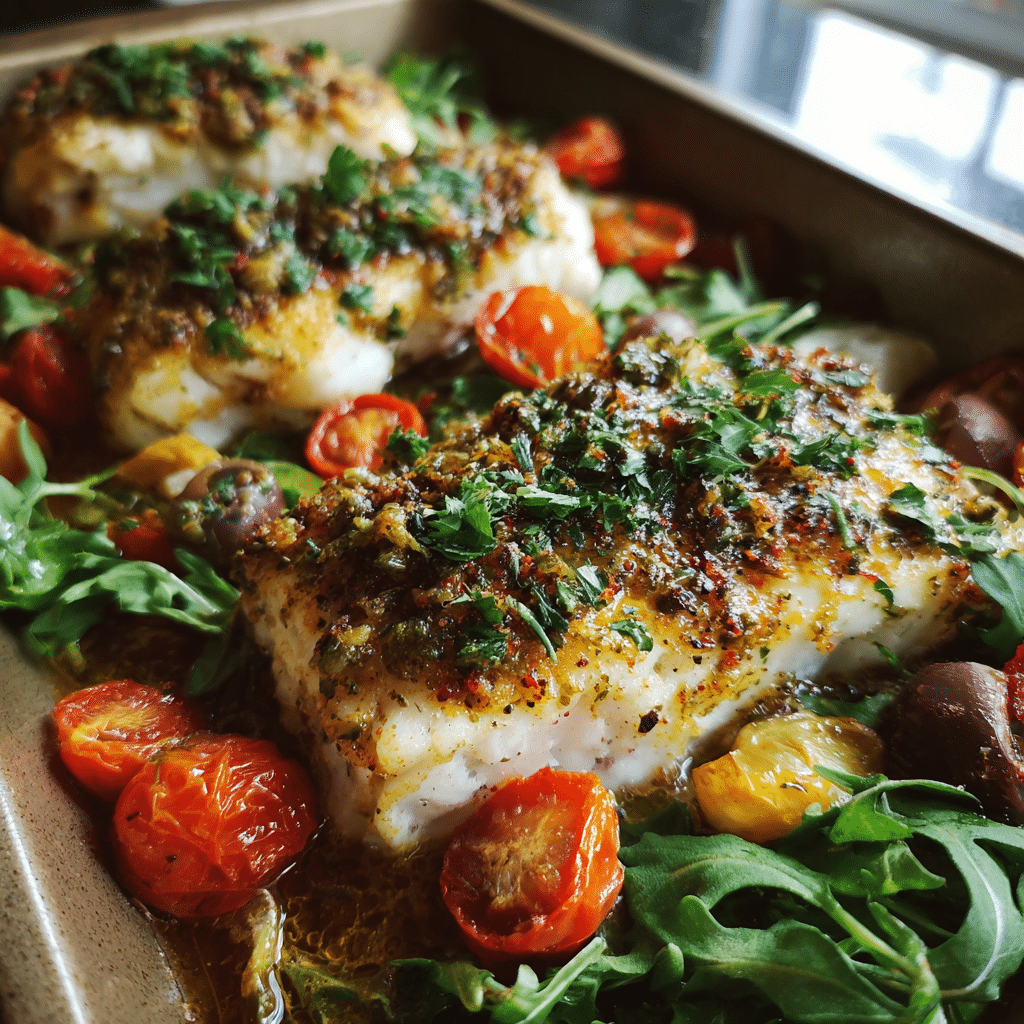
Are you tired of bland, rubbery fish that sticks to the pan and leaves you disappointed? Do you find yourself ordering takeout because you’re worried about undercooking or overcooking seafood at home? I completely understand that frustration I’ve been there too.
These Mediterranean baked fish recipes promise to deliver perfectly flaky, tender fish infused with vibrant herbs, bright citrus, and aromatic garlic every single time. Each fillet emerges from the oven moist and flavorful, with a golden crust that’ll make you forget all about dry, disappointing dinners.
Hi, I’m Sam from dishfoody.com, and over the years of experimenting in my kitchen, I’ve discovered that Mediterranean-style baked fish is one of the most forgiving, foolproof ways to prepare seafood. The combination of olive oil, fresh herbs, and gentle oven heat creates an environment where fish practically cooks itself to perfection. I’ve shared these techniques with thousands of home cooks who’ve transformed their weeknight dinners from stressful to spectacular.
In this guide, you’ll discover five easy Mediterranean baked fish recipes, learn how to select the freshest fish, master preparation techniques that lock in moisture, and explore foolproof cooking methods with precise temperatures and times. We’ll also cover pro tips to avoid common mistakes, delicious flavor variations, and answers to your most pressing questions about cooking fish at home.
Why This Mediterranean Baked Fish Recipe Works
Mediterranean baked fish recipes have become my go-to solution for healthy weeknight dinners because they combine simplicity with impressive results. Here’s why these recipes consistently deliver:
• Uses affordable, easy-to-find fish varieties available at most grocery stores and fish counters
• Requires minimal prep time—most recipes come together in under 20 minutes
• The Mediterranean flavor profile naturally complements fish without overpowering delicate textures
• One-pan cooking means less cleanup and more time enjoying your meal
• Naturally healthy with heart-friendly olive oil, omega-3 rich fish, and nutrient-dense vegetables
• Perfect for weeknights when you need something quick, yet impressive enough for weekend entertaining
• Incredibly versatile works with various fish types and adapts to dietary preferences
• The gentle baking method makes it nearly impossible to overcook when you follow basic guidelines
Choosing the Right Fish for Mediterranean Baked Fish
Selecting quality fish makes all the difference in your final dish. Let me walk you through everything you need to know about choosing the perfect fish for Mediterranean baking.
Best Fish Varieties for Mediterranean Baked Fish Recipes
Not all fish perform equally well in the oven. For Mediterranean baked fish, I recommend these varieties:
Cod and haddock work beautifully because their mild, slightly sweet flavor absorbs Mediterranean seasonings perfectly while maintaining a firm, flaky texture. Their thickness ensures they stay moist during baking.
Salmon brings a richer flavor profile and natural oils that keep it incredibly moist. The bold taste stands up well to garlic, lemon, and herbs. I particularly love how salmon develops a slight crust while staying tender inside.
Sea bass offers a buttery, delicate texture with a subtle sweetness that pairs wonderfully with Mediterranean ingredients. It’s my choice when I want to impress dinner guests.
Halibut provides a meaty, substantial texture perfect for those who prefer firmer fish. It holds together beautifully and takes on flavors exceptionally well.
Snapper delivers a slightly sweet, nutty flavor with a medium-firm texture. It’s particularly wonderful with tomato-based Mediterranean preparations.
Buying Tips for Fresh Mediterranean Baked Fish
When shopping for fish, trust your senses. Fresh fish should smell like clean ocean water, never fishy or ammonia-like. Look for bright, clear eyes if buying whole fish, and firm, springy flesh that bounces back when gently pressed.
The flesh should appear moist with a slight sheen, not dull or dried out. Ask your fishmonger when the fish arrived ideally, you want fish that’s been received within the past day or two.
Don’t hesitate to request specific cuts. Ask for center-cut fillets of uniform thickness so they cook evenly. If you see fish displayed on ice with the belly cavity facing down, that’s a good sign the store knows proper handling techniques.
For frozen fish, which can be excellent quality, look for individually vacuum-sealed portions with no ice crystals or freezer burn. Wild-caught fish often has better flavor and texture than farmed varieties, though quality farmed options exist.
Substitutions for Mediterranean Baked Fish
The beauty of Mediterranean baked fish recipes lies in their flexibility. If your preferred fish isn’t available, swap cod for haddock, tilapia, or pollock they share similar textures and mild flavors.
Replace salmon with arctic char or trout for a comparable richness with slightly different flavor notes. Substitute sea bass with branzino or striped bass for that delicate, buttery quality.
If you’re working with thinner fillets like tilapia or sole, reduce cooking time by several minutes and consider folding thinner portions under themselves to create more uniform thickness.
Ingredients & Prep for Mediterranean Baked Fish
Proper preparation sets the foundation for exceptional Mediterranean baked fish. Let’s break down exactly what you need and how to prep it.
Fish Prep Essentials for Mediterranean Baked Fish
Start by patting your fish completely dry with paper towels. This critical step ensures proper seasoning adhesion and helps achieve that slight crust we’re after. Any surface moisture creates steam rather than allowing seasonings to penetrate.
Check for pin bones by running your fingers along the fillet. Remove any you find with clean tweezers or needle-nose pliers, pulling at a slight angle in the direction the bones naturally point.
If your fillet has skin, decide whether to keep it based on personal preference. Skin adds flavor and helps hold the fish together during cooking. Score the skin in a crosshatch pattern if keeping it to prevent curling.
Bring fish to room temperature about 15-20 minutes before cooking. This ensures even cooking throughout and prevents a cold center with an overcooked exterior.
For thicker portions, consider butterflying or making shallow cuts to promote even cooking. Season all surfaces, including any cuts you’ve made.
Mediterranean Marinades and Seasonings for Baked Fish
The marinade makes Mediterranean baked fish truly special. Here are my favorite combinations:
Classic Mediterranean blend:
• Extra virgin olive oil (3 tablespoons)
• Fresh lemon juice (2 tablespoons)
• Minced garlic (3-4 cloves)
• Fresh oregano (1 tablespoon chopped)
• Fresh thyme (1 tablespoon chopped)
• Fresh parsley (2 tablespoons chopped)
• Sea salt (1 teaspoon)
• Black pepper (½ teaspoon)
• Red pepper flakes (¼ teaspoon, optional)
Greek-style marinade:
• Olive oil (3 tablespoons)
• Lemon juice (2 tablespoons)
• Garlic (3 cloves, minced)
• Dried oregano (2 teaspoons)
• Fresh dill (2 tablespoons)
• Capers (1 tablespoon, chopped)
• Salt and pepper to taste
Italian-inspired blend:
• Olive oil (3 tablespoons)
• Balsamic vinegar (1 tablespoon)
• Sun-dried tomatoes (2 tablespoons, chopped)
• Fresh basil (¼ cup, chopped)
• Garlic (3 cloves, minced)
• Salt and pepper to taste
For Mediterranean baked fish, marinating time should be brief 15 to 30 minutes maximum. Fish is delicate and can become mushy if left in acidic marinades too long. The exception is oil-based marinades without citrus, which can work for up to an hour.
Pantry Staples for Mediterranean Baked Fish
Keep these essentials on hand for spontaneous Mediterranean baked fish dinners:
High-quality extra virgin olive oil serves as the foundation for most Mediterranean preparations. It adds richness, helps conduct heat, and carries flavors beautifully.
Fresh lemons provide the bright acidity that balances rich fish and cuts through olive oil. Always use fresh, never bottled juice.
Garlic brings aromatic depth that defines Mediterranean cuisine. Fresh cloves offer far superior flavor to jarred or powdered versions.
Dried oregano, while fresh is wonderful, keeps well and delivers authentic Mediterranean flavor. Greek oregano has particularly robust flavor.
Fresh parsley adds color, freshness, and a subtle peppery note. Flat-leaf Italian parsley works best.
Cherry or grape tomatoes contribute sweetness, acidity, and beautiful color. They roast alongside fish perfectly.
Kalamata olives provide briny, savory depth. Look for pitted varieties to save prep time.
Capers add a distinctive tangy, salty punch. Rinse them if you find them too salty.
Quality sea salt or kosher salt seasons more evenly than table salt. Mediterranean sea salt adds authentic flavor.
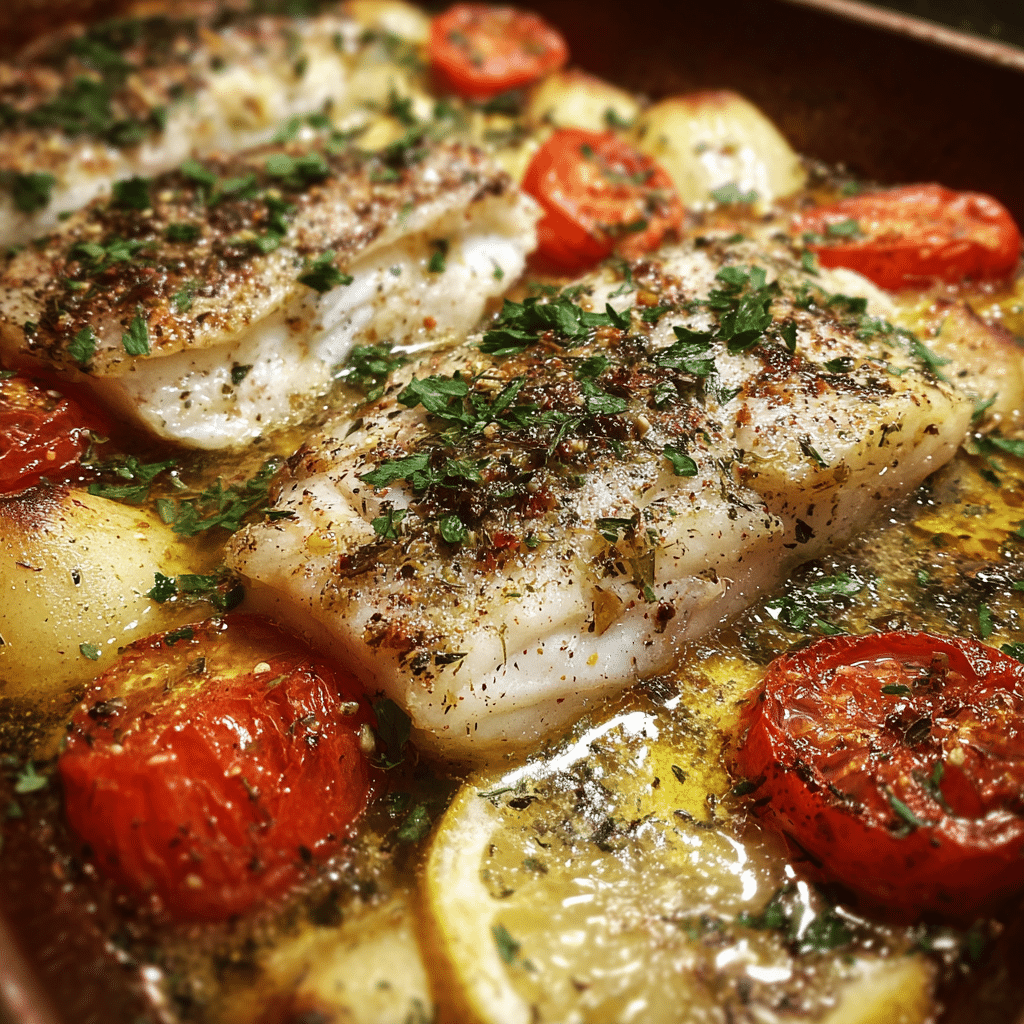
Step-by-Step Cooking Instructions for Mediterranean Baked Fish
Let me walk you through the exact process I use every time I make Mediterranean baked fish. Following these steps ensures consistent, delicious results.
Pre-Cooking Prep for Mediterranean Baked Fish
Preheat your oven to 400°F (200°C). This temperature is ideal for most fish hot enough to cook relatively quickly while keeping the interior moist, but not so hot that the exterior burns before the inside cooks.
Prepare your baking dish by lightly coating it with olive oil or lining it with parchment paper. I prefer a glass or ceramic baking dish that distributes heat evenly. Size matters choose one that fits your fillets comfortably without crowding, but not so large that juices spread thin and burn.
Pat your fish completely dry one final time. Season both sides with salt and pepper. This base seasoning is essential even if you’re using a marinade.
If you’re adding vegetables like cherry tomatoes, zucchini slices, or bell peppers, prep them now. Cut vegetables into similar-sized pieces so they cook at the same rate as your fish.
Arrange any vegetables in the bottom of your baking dish first, then place fish on top. This prevents vegetables from steaming the fish and allows the fillet to develop better texture. Alternatively, arrange vegetables around the fish.
Brush or spoon your marinade generously over the fish, making sure to include plenty of the garlic and herbs. Don’t let these aromatics go to waste in the bowl.
Cooking Method for Mediterranean Baked Fish
Place your prepared baking dish in the preheated 400°F oven on the center rack. This position ensures even heat circulation around your fish.
The general rule for baking fish is 10 minutes per inch of thickness measured at the thickest part. A standard fillet about ¾ inch thick typically takes 12-15 minutes. Thicker portions like salmon steaks may need 18-20 minutes.
Avoid opening the oven door frequently, as this releases heat and extends cooking time. If you must check, do so quickly.
For extra golden color and slightly crispy edges, switch to broil for the final 2-3 minutes of cooking. Watch carefully during this time as fish can go from perfectly golden to burnt quickly under the broiler.
If your recipe includes a breadcrumb topping, add it halfway through cooking so it browns nicely without burning.
Baste the fish once or twice during cooking if you’d like, spooning pan juices over the top. This adds flavor and helps keep the surface moist.
Doneness Check for Mediterranean Baked Fish
Knowing when Mediterranean baked fish is perfectly cooked is crucial. Overcooked fish becomes dry and rubbery, while undercooked fish presents safety concerns.
The most reliable method is checking internal temperature with an instant-read thermometer. Insert it into the thickest part of the fillet. Fish is done at 145°F (63°C) according to food safety guidelines. However, many chefs prefer pulling fish at 135-140°F as carryover cooking will bring it to the perfect doneness.
Visually, cooked fish changes from translucent to opaque. The flesh should appear uniformly opaque throughout when you peek into the thickest part with a fork.
The flake test is another reliable indicator. Gently insert a fork into the thickest part and twist slightly. Properly cooked fish will flake easily into large, moist chunks. If it resists flaking or appears glassy, it needs more time. If it falls apart into tiny dry pieces, it’s overcooked.
For salmon specifically, many prefer it slightly less done in the center around 125-130°F gives you that beautiful medium texture that’s still moist and slightly translucent in the very center.
Touch can also guide you. Gently press the thickest part of the fillet. It should feel firm but still have some give, similar to pressing the fleshy part of your palm below your thumb when your hand is relaxed.
Resting Mediterranean Baked Fish
Once your Mediterranean baked fish reaches perfect doneness, let it rest for 3-5 minutes before serving. This brief resting period allows the juices to redistribute throughout the fillet rather than running out when you cut into it.
During resting, loosely tent the fish with foil to retain heat without trapping steam that could make the surface soggy. The internal temperature will actually rise a few degrees during this time, which is why pulling fish slightly before it reaches 145°F works beautifully.
Use this resting time to prepare your serving plates, finish side dishes, or add final garnishes. Fresh herbs, lemon wedges, and a drizzle of quality olive oil added just before serving elevate the presentation.
If you’ve cooked vegetables alongside your fish, leave everything together during resting. The flavors continue to meld, creating an even more cohesive dish.
Pro Tips for Perfect Mediterranean Baked Fish
After years of making Mediterranean baked fish, I’ve learned several tricks that consistently improve results. These professional techniques make the difference between good fish and restaurant-quality fish.
Avoiding Dry or Overcooked Mediterranean Baked Fish
The single biggest mistake home cooks make is overcooking fish. Remember that fish continues cooking after you remove it from the oven. Pull it from heat when it’s barely done, and carryover cooking will finish the job perfectly.
Use a timer but trust your thermometer more. Ovens vary significantly, and a recipe that takes 15 minutes in one oven might take 12 or 18 in another.
Don’t skip the oil. Mediterranean baked fish recipes rely on olive oil not just for flavor but for moisture. Oil creates a barrier that slows moisture loss during cooking. Be generous with it.
Avoid baking fish straight from the refrigerator. Cold fish takes longer to cook, and by the time the center reaches temperature, the exterior has overcooked. Let fish sit at room temperature for 15-20 minutes before baking.
Choose thicker fillets when possible. Thin fillets have less margin for error and can go from perfect to overcooked in under a minute. If you must use thin fillets, reduce temperature to 375°F and watch carefully.
Brine delicate white fish for 15 minutes in a solution of 4 cups water to ¼ cup salt. This helps the fish retain moisture during cooking. Rinse and pat completely dry before seasoning.
Add moisture-rich ingredients to your baking dish. Cherry tomatoes, sliced citrus, and vegetables release liquid as they cook, creating a humid environment that keeps fish moist.
Tool Recommendations for Mediterranean Baked Fish
Investing in a few key tools dramatically improves your Mediterranean baked fish results.
An instant-read thermometer is absolutely essential. I recommend digital models that give readings in under 3 seconds. This takes all guesswork out of doneness and prevents overcooking. Models with thin probes minimize the hole you make in your fillet.
Quality baking dishes matter more than you might think. Glass or ceramic dishes in the 9×13 inch range work beautifully for most recipes. Avoid metal pans which can react with acidic ingredients and affect flavor. I love dishes with slightly higher sides that contain juices without being so deep that heat circulation is impeded.
Fish spatulas with thin, flexible, slotted heads make transferring delicate fish from pan to plate infinitely easier. Their offset angle gives you leverage to slide under fillets without breaking them. If you cook fish regularly, this tool is worth every penny.
Sharp knives are crucial for clean cuts through fish without tearing. A flexible fillet knife helps if you’re working with whole fish, while a good chef’s knife handles portioning and vegetable prep.
Parchment paper prevents sticking and makes cleanup effortless. Cut it to fit your baking dish, leaving slight overhang on two sides to use as handles for lifting cooked fish out.
Kitchen tweezers or needle-nose pliers specifically designated for food help remove pin bones quickly and cleanly.
Storage and Reheating Mediterranean Baked Fish
Properly stored Mediterranean baked fish stays delicious for several days, making it excellent for meal prep.
Cool cooked fish to room temperature within 30 minutes of cooking, then refrigerate promptly. Store in an airtight container for up to 3 days. Keep any vegetables and sauce together with the fish they’ll help keep it moist.
For longer storage, freeze Mediterranean baked fish for up to 2 months. Wrap individual portions tightly in plastic wrap, then place in freezer bags with as much air removed as possible. Label with the date and type of fish.
Reheating fish is tricky since it’s already fully cooked and can easily become dry or rubbery. The best method is gentle oven reheating. Preheat to 275°F, place fish in a baking dish with a tablespoon of liquid (broth, water, or leftover sauce), cover tightly with foil, and heat for 10-15 minutes until just warmed through.
Alternatively, reheat in a covered skillet over low heat with a splash of liquid. This gives you more control and allows you to monitor closely.
Microwave reheating works in a pinch but requires care. Use 50% power in 30-second intervals, checking frequently. Cover the fish and add a small amount of liquid to create steam.
Cold leftover Mediterranean baked fish is actually delicious. Flake it over salads, mix into pasta, or make fish tacos. Sometimes the easiest reheating method is not reheating at all.
For more inspiration on meal planning and creative ways to use leftovers, explore my complete collection of recipes at dishfoody.com where I share my philosophy on making cooking easier and more joyful.
Looking for more recipe inspiration? Check out our stunning collection on Pinterest at www.pinterest.com where you’ll find hundreds of beautifully photographed dishes, cooking tips, and seasonal ideas that’ll make your mouth water and your meal planning effortless!
Flavor Variations for Mediterranean Baked Fish
One of my favorite aspects of Mediterranean baked fish is how easily it adapts to different flavor profiles while maintaining its essential character. These variations keep weeknight dinners interesting and accommodate various preferences.
Spicy Mediterranean Baked Fish Twist
Transform your Mediterranean baked fish into something with serious heat by incorporating warming spices and peppers. Add crushed red pepper flakes (½ to 1 teaspoon) to your standard marinade, or mix harissa paste (1-2 tablespoons) into your olive oil base for North African flair.
Calabrian chili paste brings fruity heat that complements fish beautifully. Spread a thin layer directly on fillets before adding other seasonings. Fresh jalapeños or Fresno peppers, thinly sliced and scattered over the fish, provide bright heat that mellows slightly during baking.
Aleppo pepper offers moderate heat with a subtle sweetness and slight fruitiness that works wonderfully with white fish. Sprinkle it generously before baking.
For a Spanish twist, add smoked paprika (pimentón) which contributes both warmth and depth without overwhelming spiciness. Combine it with regular paprika in a 1:2 ratio for complex flavor.
Low-Carb and Keto Mediterranean Baked Fish
Mediterranean baked fish naturally fits low-carb and keto lifestyles since it focuses on quality proteins, healthy fats, and vegetables. To optimize for these diets, increase the olive oil slightly for additional healthy fats use 4-5 tablespoons instead of 3.
Add high-fat ingredients like crumbled feta cheese, sliced olives, or pine nuts which contribute richness and keep you satisfied. Top fish with a compound butter made from butter, herbs, and garlic that melts over the hot fillet.
Choose low-carb vegetables like zucchini, bell peppers, asparagus, and leafy greens rather than starchy options. Cauliflower florets roasted alongside fish work beautifully.
Make a creamy Mediterranean sauce by mixing tahini with lemon juice, garlic, and herbs. This adds healthy fats and luxurious texture without carbs.
Skip any breadcrumb toppings and instead create texture with chopped nuts like almonds or walnuts, or use pork rinds crushed finely for a crispy coating that’s completely carb-free.
PrintMediterranean Baked Fish: 5 Easy Recipes for Healthy Dinners
A light and healthy Mediterranean baked fish dish featuring tender white fish roasted with olive oil, lemon, garlic, tomatoes, olives, and aromatic herbs for an easy, flavorful dinner.
- Prep Time: 10 mins
- Cook Time: 18 mins
- Total Time: 28 mins
- Yield: 4 servings 1x
- Category: Dinner
- Method: Baking
- Cuisine: Mediterranean
Ingredients
- 4 white fish fillets (cod, haddock, or tilapia)
- 3 tbsp olive oil
- 3 cloves garlic, minced
- 1 cup cherry tomatoes, halved
- 1/3 cup Kalamata olives, sliced
- 1 lemon, sliced
- 1 tbsp lemon juice
- 1 tsp dried oregano
- 1/2 tsp paprika
- Salt and black pepper to taste
- Fresh parsley or dill for garnish
Instructions
- 1. Preheat oven to 400°F (200°C).
- 2. Place fish fillets in a lightly greased baking dish.
- 3. Drizzle olive oil and lemon juice over the fish.
- 4. Season with garlic, oregano, paprika, salt, and pepper.
- 5. Scatter cherry tomatoes and olives around the fish.
- 6. Top with lemon slices.
- 7. Bake uncovered for 15–18 minutes until fish flakes easily with a fork.
- 8. Garnish with fresh herbs and serve warm.
Notes
- Serve with rice, quinoa, or roasted vegetables.
- Add capers for extra Mediterranean flavor.
- Leftovers store well refrigerated for up to 2 days.
Nutrition
- Serving Size: 1 fillet
- Calories: 290
- Sugar: 3g
- Sodium: 420mg
- Fat: 16g
- Saturated Fat: 2g
- Unsaturated Fat: 13g
- Trans Fat: 0g
- Carbohydrates: 8g
- Fiber: 2g
- Protein: 32g
- Cholesterol: 65mg
Keywords: mediterranean baked fish, healthy fish dinner, easy baked fish, lemon garlic fish