
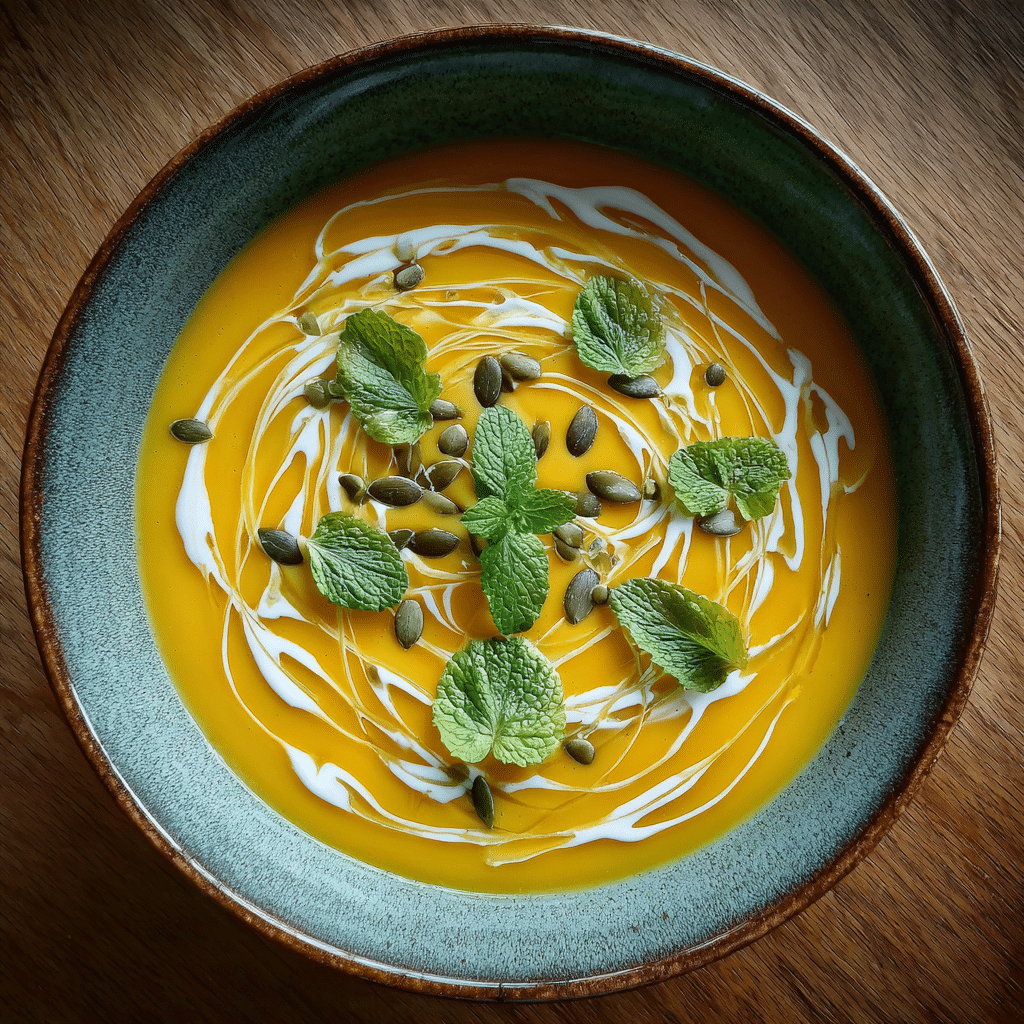
Melon soup might sound unusual if you’ve never tried it, but trust me once you taste the cool, sweet, refreshing flavors of perfectly blended melon, you’ll wonder why you haven’t been making this all summer long. Are you tired of the same old gazpacho or predictable salads when the heat hits? Looking for something that cools you down instantly while delivering incredible flavor and nutrition?
Hi, I’m Sam from dishfoody.com, and I’m excited to share these seven melon soup recipes that have become absolute staples in my summer kitchen. Years ago, during a particularly brutal heatwave, I experimented with chilling leftover cantaloupe in the blender with some lime and mint, and I accidentally discovered my family’s new favorite summer dish. Since then, I’ve been perfecting melon soup recipes that are not only refreshing but also elegant enough to serve at dinner parties.
In this guide, you’ll discover why melon soup works so beautifully as a summer dish, how to choose the perfect melons, the essential ingredients and prep techniques, step-by-step instructions for seven different variations, pro tips for achieving restaurant-quality results, creative flavor twists, serving suggestions that will impress your guests, and answers to your most common questions about making melon soup at home.
Why This Melon Soup Recipe Works
At dishfoody.com, I believe that the best recipes combine simplicity with spectacular results, and melon soup delivers exactly that. This chilled summer soup has become a reader favorite because it checks every box for warm-weather cooking.
- Uses affordable, easy-to-find melons: Cantaloupe, honeydew, and watermelon are available at every grocery store and farmers market during summer months, often at incredibly low prices when in season.
- Ready in 15 minutes for maximum freshness: Unlike complicated recipes that demand hours of your time, melon soup comes together in a blender faster than most people can decide what to eat for lunch.
- Perfect for weeknight dinners or weekend entertaining: Serve it as a light weeknight meal paired with a simple sandwich, or present it in chilled bowls as an elegant first course when guests arrive.
- Naturally hydrating and packed with vitamins: Melons contain over 90% water, plus vitamins A and C, potassium, and antioxidants that help you stay nourished during hot weather.
- Incredibly versatile for dietary preferences: Melon soup naturally fits vegan, vegetarian, paleo, keto-friendly (with minor adjustments), gluten-free, and dairy-free diets without sacrificing flavor.
The beauty of melon soup lies in its ability to transform simple, fresh ingredients into something that feels both luxurious and effortlessly healthy. When I first started sharing these recipes on dishfoody.com, readers were skeptical—could soup made from fruit really be satisfying? The enthusiastic comments and repeat attempts proved that yes, melon soup absolutely deserves a place in your summer recipe rotation.
Choosing the Right Melon for Melon Soup
Selecting the perfect melon makes the difference between a good soup and an absolutely outstanding one. Over the years, I’ve learned exactly what to look for when I’m at the market, and I’m sharing all those secrets with you.
Best Melons for This Recipe
Cantaloupe works beautifully in melon soup because of its natural sweetness and creamy texture when blended. The orange flesh creates a gorgeous color that looks stunning in bowls, and its aromatic qualities add depth to the finished soup. Cantaloupe pairs exceptionally well with citrus, herbs like basil and mint, and a touch of ginger.
Honeydew melon offers a more delicate, subtle sweetness that creates an incredibly smooth, silky soup. The pale green color looks elegant and sophisticated, making honeydew melon soup perfect for formal occasions. This variety works wonderfully with cucumber, lime, and subtle herbs.
Watermelon creates the most refreshing, hydrating melon soup imaginable. Its high water content and bright flavor make it ideal for the hottest summer days. Watermelon soup has a thinner consistency naturally, which some people prefer, and it pairs beautifully with savory elements like tomatoes and jalapeños.
Specialty melons like Galia, Charentais, or Persian melons also work wonderfully in these recipes. Each brings unique flavor profiles and colors to your bowl, so don’t hesitate to experiment when you spot something interesting at the farmers market.
Buying Tips for Perfect Melon Soup
When I shop for melons at my local market, I follow a simple routine that never fails to deliver perfectly ripe fruit. First, I pick up the melon and check its weight a ripe melon should feel heavy for its size, indicating high juice content and proper ripeness. Next, I smell the blossom end (opposite the stem). A ripe cantaloupe or honeydew should have a sweet, fragrant aroma. No smell means it’s not ripe yet, while an overly strong smell might indicate overripeness.
For cantaloupe and honeydew, look for a smooth, slightly waxy rind without major soft spots or bruises. The background color should be golden or cream-colored for cantaloupe, not green. For watermelon, check for a creamy yellow spot on one side (called the field spot), which indicates it ripened on the vine. Tap the watermelon gently a ripe one produces a deep, hollow sound.
Ask your produce manager when they receive fresh shipments. Buying melons on delivery days ensures you get the freshest options. Many grocery stores also allow you to sample melons if you ask politely, which helps you gauge sweetness before committing to a purchase.
Substitutions for Melon Soup Flexibility
One of my favorite things about these melon soup recipes is their flexibility. If you can’t find perfectly ripe cantaloupe, honeydew works beautifully in most cantaloupe-based recipes with minimal adjustments. Watermelon can substitute for either in savory-leaning recipes, though you might need to add a touch of honey since watermelon tends to be less sweet.
Frozen melon works surprisingly well when fresh options disappoint. I always freeze extra melon when I find amazing deals or when melons reach perfect ripeness faster than I can use them. Simply cube the melon, spread it on a baking sheet to freeze individually, then transfer to freezer bags. Frozen melon actually blends into an even smoother soup with a slightly thicker, almost sorbet-like consistency.
You can also combine different melons in a single soup. A cantaloupe-honeydew blend offers complex flavor, while watermelon-cantaloupe creates beautiful color variations. Don’t be afraid to experiment based on what looks freshest and most affordable at your market.
Ingredients & Prep for Melon Soup
Preparing melon soup requires minimal ingredients and simple techniques, but understanding the fundamentals ensures perfect results every time.
Melon Prep Essentials
Start by washing the exterior of your melon thoroughly under cool running water, even though you won’t eat the rind. Melons grow close to the ground and can harbor bacteria on their surface, which transfers to the flesh when you cut through the rind.
Cut the melon in half using a large, sharp chef’s knife. For round melons like cantaloupe and honeydew, use a spoon to scoop out all the seeds and stringy bits from the center. For watermelon, you’ll remove seeds as you cube the flesh, or choose seedless varieties for easier preparation.
Slice the melon into manageable sections, then cut away the rind. I find it easiest to place each section flat-side down on my cutting board, then carefully slice downward between the flesh and rind, following the natural curve. Cube the flesh into roughly 1-inch pieces—they don’t need to be perfect since everything gets blended.
Chill your cubed melon for at least 30 minutes before blending if you want to serve your soup immediately. Cold melon creates a naturally chilled soup without diluting it with ice. I often prep my melon the night before and refrigerate it overnight, which also allows the natural sugars to develop fully.
Essential Ingredients for Melon Soup
Fresh citrus juice brightens the natural sweetness of melons and prevents the soup from tasting flat. Lime juice works beautifully with all melon varieties, while lemon juice adds a slightly different character. I always use fresh-squeezed citrus bottled juice simply doesn’t provide the same vibrant flavor.
Fresh herbs transform simple melon into something extraordinary. Mint is classic and cooling, basil adds unexpected sophistication, cilantro brings brightness, and tarragon offers a subtle anise note. Use tender leaves rather than tough stems for the smoothest texture.
Natural sweeteners might be necessary depending on your melon’s ripeness. Honey dissolves easily and adds floral notes, while agave nectar works for vegan preparations. Maple syrup creates interesting depth in savory-leaning versions. Start with just a teaspoon and taste before adding more.
Salt seems counterintuitive in a sweet soup, but a small pinch enhances the melon’s natural flavors dramatically. I use fine sea salt or Himalayan pink salt for the purest flavor.
Healthy fats like high-quality olive oil or coconut milk add richness and help carry flavors across your palate. Just a tablespoon makes the soup feel more satisfying and restaurant-quality.
Flavor enhancers like fresh ginger, cucumber, jalapeño, or even a tiny bit of white balsamic vinegar can elevate your melon soup from simple to spectacular. These ingredients work in small quantities to add complexity without overwhelming the delicate melon flavor.
Pantry Staples You’ll Need
Keep these items stocked in your kitchen for spontaneous melon soup making: good quality extra virgin olive oil, sea salt, black peppercorns, honey or agave nectar, fresh citrus fruits, and fresh herbs. I also recommend keeping Greek yogurt (dairy or non-dairy alternatives) for adding creaminess, and having garnishes like toasted nuts, seeds, and edible flowers on hand for beautiful presentations.
For these seven recipes, you might also want coconut milk, ginger root, cucumber, cherry tomatoes, jalapeños, avocado, and various fresh herbs. None of these ingredients are expensive or hard to find, and they keep well, so you can maintain a well-stocked pantry for melon soup success throughout the summer.
Step-by-Step Cooking Instructions for Melon Soup
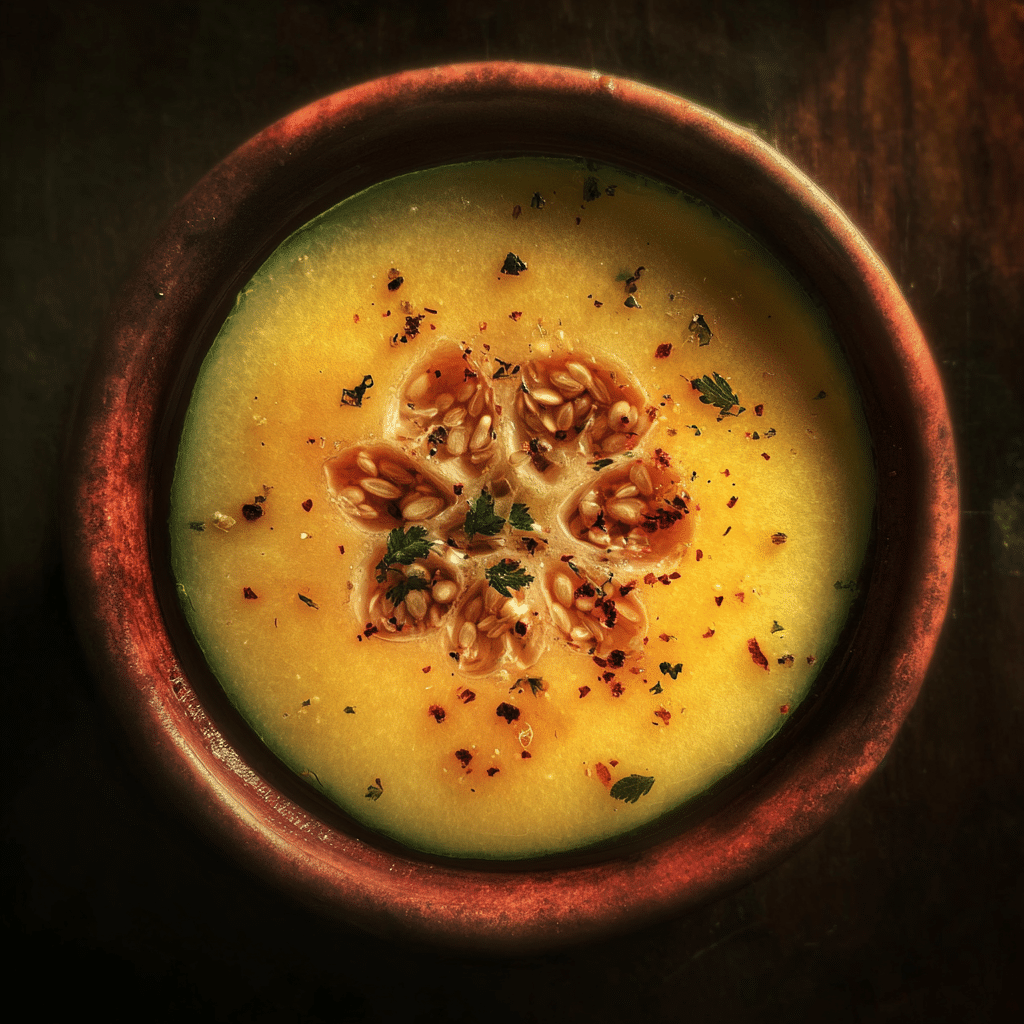
Making melon soup is wonderfully straightforward, but following proper techniques ensures the best flavor and texture every time.
Pre-Cooking Prep for Melon Soup
Begin by gathering all your ingredients and equipment. You’ll need a high-powered blender (a regular blender works fine, but high-speed blenders create silkier texture), measuring cups and spoons, a sharp knife, cutting board, and serving bowls. I recommend chilling your serving bowls in the refrigerator or freezer for 15-20 minutes before serving cold bowls keep your soup at the perfect temperature longer.
Prepare your melon according to the instructions in the previous section. Have all your additional ingredients measured and ready to go. Wash and dry fresh herbs, juice your citrus, and prepare any garnishes you plan to use.
Taste your melon before you begin. This step helps you determine how much sweetener or acid you’ll need to add. A perfectly ripe melon might need nothing but a splash of lime juice, while a slightly underripe one might benefit from a touch of honey.
If you’re making melon soup for guests, you can complete this entire prep phase the night before and store everything in the refrigerator. This approach lets you spend time with your guests instead of being stuck in the kitchen.
Cooking Method for Melon Soup
The term “cooking” is generous here melon soup requires no heat whatsoever, which is part of its summer appeal. Here’s the basic process that applies to all seven recipes with slight variations:
Add your cubed, chilled melon to your blender first. The amount typically ranges from 4 to 6 cups depending on the specific recipe and how many servings you want. Next, add your citrus juice, starting with 2 tablespoons and adjusting from there. Add any herbs you’re using a handful of leaves is usually perfect along with a pinch of salt.
If your recipe calls for additional ingredients like cucumber, ginger, or jalapeño, add those now. Start with smaller amounts of strong flavors like ginger or spicy peppers since you can always add more but can’t take them out.
Blend on high speed for 60-90 seconds until completely smooth. Stop halfway through to scrape down the sides with a spatula, ensuring everything incorporates evenly. The mixture should look silky and homogeneous without any visible chunks.
Taste your soup and adjust the seasoning. Add more citrus juice for brightness, sweetener for balance, salt to enhance flavors, or additional herbs for more pronounced flavor. Blend briefly after each addition to incorporate fully.
If your soup seems too thick, thin it with a little cold water, coconut water, or additional citrus juice. If it’s too thin (which rarely happens), you can add more melon or thicken it slightly with a spoonful of Greek yogurt or avocado.
Doneness Check for Melon Soup
Unlike traditional cooking, checking “doneness” for melon soup means evaluating texture, temperature, and flavor balance. The soup should be completely smooth without graininess run a small amount between your fingers to check. If you feel any texture, continue blending for another 30 seconds.
The temperature should be thoroughly chilled, around 40°F or below. If your soup isn’t cold enough, refrigerate it for at least one hour before serving, or add a handful of ice cubes and blend again (though this dilutes flavor slightly).
Taste for balanced flavors. The melon should be the star, but you should clearly taste the supporting elements citrus brightness, herbal notes, and a subtle salty-sweet balance. The soup should taste refreshing and light, never heavy or cloying.
Resting Time for Melon Soup
While melon soup doesn’t need to “rest” like cooked dishes, allowing it to chill for 1-2 hours before serving dramatically improves the flavor. This resting period allows all the ingredients to marry together, creating more harmonious taste. The herbs infuse more fully, citrus flavors mellow slightly, and natural melon sugars seem to come forward beautifully.
I typically make my melon soup in the morning and serve it for lunch, or prepare it in the afternoon for an evening meal. This timing gives optimal flavor development while keeping everything perfectly fresh. Melon soup tastes best within 24 hours of making it, though it technically keeps for up to three days in the refrigerator.
If you’re in a rush, you can serve melon soup immediately after blending, and it will still taste wonderful just know that the flavors will be slightly less integrated than if you’d given it time to chill properly.
| Variation | Key Ingredient | Dietary Tag | Flavor Profile |
|---|---|---|---|
| Spicy Twist | Chili flakes, ginger | Bold | Spicy, vibrant |
| Keto/Paleo | Coconut yogurt | Low-carb | Creamy, tangy |
| Global Flavors | Lemongrass, lime | Exotic | Bright, fresh |
Serving Suggestions for Melon Soup
Serve chilled with crusty bread, herb crostini, or alongside light salads. Garnish with fresh mint or edible flowers for elegance.
FAQs for Melon Soup
- Can I freeze melon soup? It’s best served fresh but freeze without yogurt for later use.
- How to store leftovers? Refrigerate for up to 2 days in a sealed container.
- Is it kid-friendly? Yes, with mild flavors and naturally sweet ingredients.
Conclusion
Melon Soup is a refreshing, easy-to-make dish that combines sweet melon flavors with creamy textures and bright herbs. Perfect for warm days or as a light starter, it embodies both health and taste. For more inspiring recipes, visit dishfoody.com and try our Smoked Salmon Salad next!
PrintMelon Soup: 7 Best Refreshing Summer Recipes You’ll Love

This refreshing Melon Soup is a chilled, naturally sweet, and ultra-hydrating dish made with ripe melon, lime, mint, and a touch of honey. Perfect for hot days, brunch, or a light starter.
- Prep Time: 10 mins
- Cook Time: 0 mins
- Total Time: 10 mins
- Yield: 2 servings 1x
- Category: Soup, Appetizer
- Method: No Cook, Blender
- Cuisine: International
Ingredients
- 4 cups ripe cantaloupe or honeydew, cubed
- 1/2 cup coconut milk or Greek yogurt
- 2 tbsp honey or maple syrup
- 1 tbsp fresh lime juice
- 1 tsp lime zest
- 2 tbsp fresh mint leaves
- Pinch of salt
- Optional toppings: sliced grapes, mint, granola, or coconut flakes
Instructions
- 1. Add melon, coconut milk (or yogurt), honey, lime juice, lime zest, mint, and salt to a blender.
- 2. Blend on high until completely smooth.
- 3. Taste and adjust sweetness or lime as needed.
- 4. Chill in the refrigerator for at least 1 hour to serve very cold.
- 5. Pour into bowls and garnish with mint, fruit, or coconut flakes.
- 6. Serve immediately.
Notes
- For extra cooling, chill melon cubes before blending.
- Swap lime for lemon if preferred.
- Blend in a small piece of ginger for a zesty twist.
- Keeps in the fridge for up to 2 days.
Nutrition
- Serving Size: 1 bowl
- Calories: 160
- Sugar: 30g
- Sodium: 40mg
- Fat: 4g
- Saturated Fat: 2g
- Unsaturated Fat: 2g
- Trans Fat: 0g
- Carbohydrates: 34g
- Fiber: 2g
- Protein: 3g
- Cholesterol: 0mg
Keywords: melon soup, chilled soup, summer soup, cantaloupe soup, refreshing appetizer