
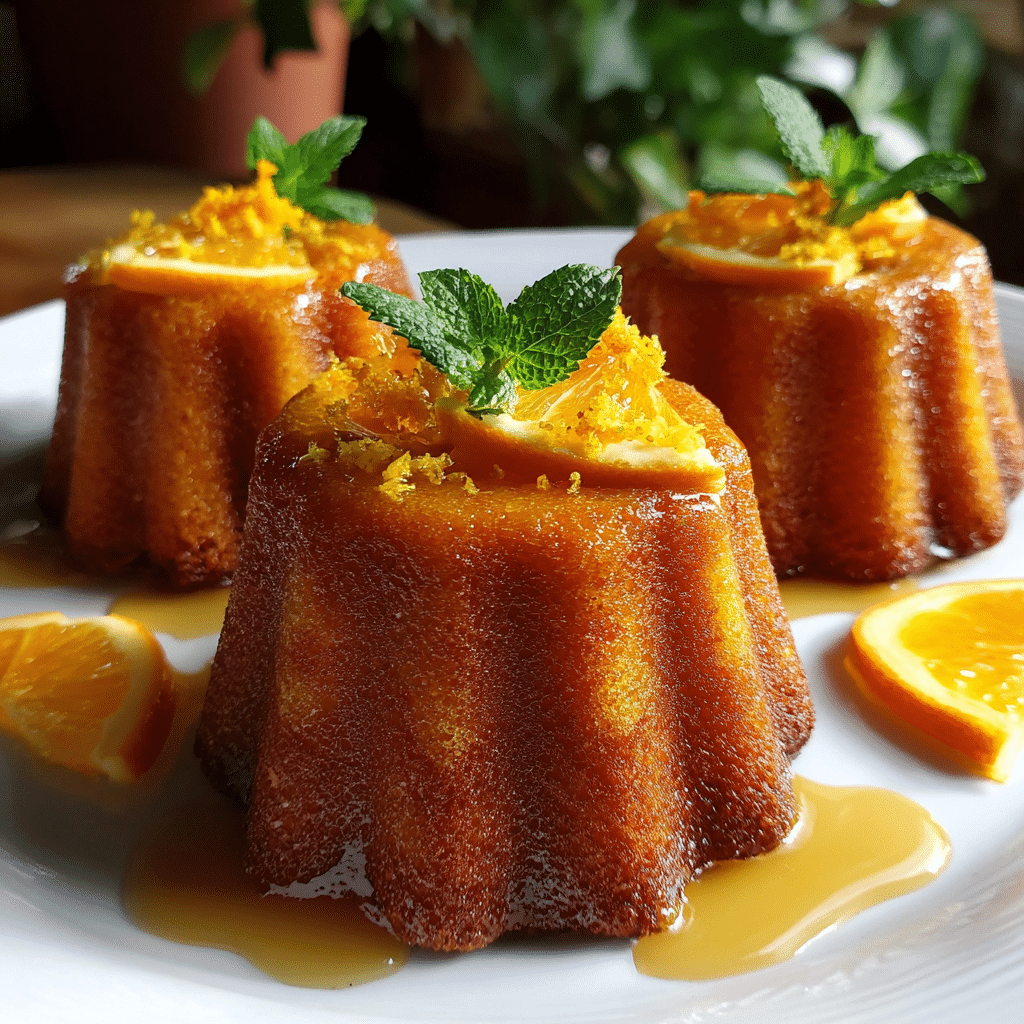
Orange Ginger Honey Cakes: these three words might just change the way you think about baking. Hi, I’m Sam from dishfoody.com, and I still remember the first time I pulled a golden, aromatic orange ginger honey cake from my oven. The citrus perfume filled my kitchen, the ginger added that perfect warming kick, and the honey created the moistest crumb I’d ever tasted. But here’s the thing: I used to struggle with dry, flavorless cakes that left everyone reaching for water instead of seconds. If you’ve ever wondered why your cakes turn out dense or bland despite following recipes to the letter, you’re not alone.
What I’m sharing today are five foolproof orange ginger honey cake recipes that deliver bakery-quality results every single time. These aren’t just pretty cakes; they’re conversation starters, celebration centerpieces, and comforting treats that bring people together around your table. After years of testing different techniques and flavor combinations at Dishfoody, I’ve refined these recipes to guarantee that perfect balance of moisture, spice, and citrus brightness. Whether you’re a beginner baker or someone who’s been in the kitchen for decades, you’ll find these recipes accessible and rewarding.
Throughout this guide, you’ll discover how to select the best ingredients for maximum flavor, master the techniques that prevent common baking failures, and customize these cakes to match any dietary preference or occasion. I’ll share insider tips on achieving that glossy honey glaze, preventing ginger from overpowering your cake, and creating textures that range from dense and fudgy to light and airy. We’ll also cover storage methods that keep your cakes fresh for days, plus serving suggestions that will make your dessert table unforgettable.
At Dishfoody, cooking is about connection, creativity, and sharing something special with the people you love. These orange ginger honey cakes embody that philosophy perfectly. They’re versatile enough for casual Tuesday dinners yet impressive enough for holiday gatherings. Let’s dive into why these recipes work so beautifully and how you can master them in your own kitchen.
Why These Orange Ginger Honey Cake Recipes Work
The magic behind these orange ginger honey cake recipes lies in the science of ingredient interaction combined with time-tested baking techniques. Unlike many cake recipes that rely heavily on refined sugar alone, honey brings natural enzymes that keep cakes moist for days longer than traditional sweeteners. The acidity in fresh orange juice reacts with baking soda to create a tender, fine crumb that practically melts on your tongue. Meanwhile, fresh ginger adds not just flavor but also chemical compounds that enhance the overall aromatic profile without making the cake taste medicinal or overwhelming.
These recipes work consistently because they focus on three essential elements: flavor harmony, convenient preparation methods, and incredible versatility. Here’s why home bakers consistently succeed with these orange ginger honey cakes:
- Uses affordable, pantry-friendly ingredients that you probably already have or can easily find at any grocery store without breaking your budget
- Requires minimal active prep time with most mixing completed in under 20 minutes before the oven does the rest of the work
- Delivers consistently moist results thanks to honey’s hygroscopic properties that pull moisture from the air and lock it into your cake
- Works beautifully for both casual weeknight desserts when you need something special without stress and impressive weekend celebrations when you want to wow guests
- Accommodates countless flavor variations so you’ll never get bored with the same recipe
- Produces cakes that actually improve in flavor after a day or two, making them perfect for advance preparation
- Creates that bakery-quality appearance with minimal decorating skills required since the golden color and aromatic glaze do most of the visual work
The convenience factor cannot be overstated. Traditional layer cakes demand precision timing, multiple bowls, and careful assembly. These orange ginger honey cake recipes streamline the process through one-bowl methods, forgiving ingredient ratios, and flexible baking times that accommodate different pan sizes. Even if you slightly overbake them, the honey prevents that dreaded dry texture that ruins so many homemade cakes.
Versatility extends beyond just taste variations. These cakes transition seamlessly from breakfast coffee cake to elegant dinner party finale. Serve them warm with a dollop of whipped cream for comfort food appeal, or present them chilled with a sophisticated glaze for refined entertaining. They travel well for potlucks, hold up beautifully when made into cupcakes for portion control, and can even be transformed into trifles or bread puddings if you happen to have leftovers.
Choosing the Right Ingredients for Orange Ginger Honey Cake
The difference between a good orange ginger honey cake and an extraordinary one starts at the ingredient selection stage. Quality matters significantly in these recipes because there are relatively few components, which means each one plays a starring role rather than getting lost in a complex mixture. Let’s break down how to choose ingredients that will elevate your baking results.
Best Ingredients for Orange Ginger Honey Cake Success
The foundation of exceptional orange ginger honey cakes begins with selecting the right honey variety. Not all honey performs equally in baking, and your choice dramatically impacts both flavor and texture. Wildflower honey offers a balanced, not-too-assertive sweetness that allows the orange and ginger to shine through. Clover honey provides a milder profile perfect for those who want subtle sweetness without competing flavors. Orange blossom honey creates a beautiful meta-experience where the honey echoes and amplifies the citrus notes. Avoid strongly flavored varieties like buckwheat honey unless you specifically want that robust, almost molasses-like character to dominate your cake.
Fresh ginger versus ground ginger represents another critical decision point. Fresh ginger root delivers bright, zesty heat with complex flavor notes that taste vibrant and alive in your finished cake. Grate it finely to distribute throughout the batter without creating fibrous bits. Ground ginger offers convenience and provides a warmer, more mellow spice profile that some bakers prefer for its consistency and ease of measurement. For the most dynamic flavor, use both: fresh ginger for brightness and ground ginger for depth and warmth that lingers on the palate.
Orange selection matters more than most bakers realize. Navel oranges provide sweet juice with lower acidity, creating a gentler citrus flavor that works beautifully in delicate cakes. Valencia oranges deliver more juice per fruit and slightly higher acidity, which enhances the cake’s tender texture through better chemical leavening reactions. Blood oranges add visual drama with their ruby-hued juice and offer a raspberry-like complexity that makes your cake truly unique. Whatever variety you choose, always use fresh-squeezed juice rather than bottled, and incorporate the zest for maximum orange flavor since the oils in the peel contain the most concentrated citrus essence.
Flour choice influences texture significantly in these recipes. All-purpose flour works perfectly for standard versions with a tender but sturdy crumb. Cake flour produces a more delicate, fine-textured result that practically dissolves on your tongue, ideal for special occasions. For those seeking gluten-free options, a quality all-purpose gluten-free flour blend with xanthan gum already included typically substitutes at a one-to-one ratio with excellent results.
Buying and Sourcing Tips for Orange Ginger Honey Cake Ingredients
Shopping strategically ensures you get the best ingredients without wasting money on unnecessary premium options where they won’t make a difference. When purchasing honey, buy from local beekeepers at farmers markets when possible. Local honey often costs less than grocery store brands while offering superior freshness and flavor. Check the consistency: good honey for baking should flow smoothly at room temperature but not be so thin that it’s watery. Crystallized honey works perfectly fine in these recipes since you’ll be mixing it into liquid ingredients, and some bakers actually prefer it for easier measuring.
For fresh ginger, look for roots with smooth, taut skin rather than wrinkled, dried-out pieces. The smoothness indicates freshness and higher moisture content, which translates to better flavor. Larger roots with fewer knobs are easier to peel and grate. Store ginger in your refrigerator’s crisper drawer wrapped loosely in a paper towel, or freeze it and grate directly from frozen for even easier preparation.
When selecting oranges, choose fruits that feel heavy for their size, indicating high juice content. The skin should have a bright, vibrant color and feel slightly oily to the touch from the natural citrus oils. Avoid oranges with soft spots or dull, dried-out skin. You’ll need about three medium oranges to yield one cup of fresh juice plus sufficient zest for most of these recipes.
Butter quality matters tremendously in cakes. European-style butter with higher fat content creates richer flavor and better texture than standard American butter. If budget allows, splurge here since butter significantly impacts the final taste. Unsalted butter gives you complete control over the salt level in your recipe.
Substitutions for Orange Ginger Honey Cake Ingredients
Life happens, and sometimes you need to adapt recipes based on what’s actually in your pantry or dietary requirements. These substitutions maintain the essential character of orange ginger honey cakes while accommodating various situations.
When you’re out of honey, pure maple syrup substitutes at a one-to-one ratio and adds a lovely caramel-like depth that complements both orange and ginger beautifully. Agave nectar works similarly with a milder flavor profile. If using granulated sugar instead, reduce the liquid in the recipe by about two tablespoons per cup of honey replaced since honey contains about 20% water. Keep in mind that sugar substitutions won’t provide honey’s natural preservative qualities, so your cake won’t stay moist quite as long.
No fresh ginger available? Use ground ginger at a ratio of one tablespoon ground for every three tablespoons of freshly grated ginger. The flavor will be different but still delicious, leaning more toward warm spice than bright zing. Candied ginger chopped finely and added to the batter creates wonderful pockets of intense ginger flavor and interesting texture.
If oranges aren’t available or you want variety, tangerines, clementines, or Meyer lemons all create delicious variations. Meyer lemons particularly shine, offering a sweeter, more floral citrus note than regular lemons. Use the same amount of juice and zest. Grapefruit creates a more sophisticated, slightly bitter note that adults particularly enjoy. For a completely different direction, try lime juice and zest for a ginger-lime-honey cake that tastes refreshing and unexpected.
For those avoiding dairy, coconut oil substitutes beautifully for butter at a one-to-one ratio, adding a subtle tropical note that complements orange wonderfully. High-quality olive oil creates a more Mediterranean flavor profile that works especially well in less sweet versions. When substituting oil for butter, the texture becomes slightly denser and the cake tastes more moist.
Egg substitutions work for those with allergies or following vegan diets. Flax eggs, made by mixing one tablespoon ground flaxseed with three tablespoons water per egg, provide binding but create a slightly denser texture. Commercial egg replacers generally work well following package directions. Applesauce at a quarter cup per egg adds moisture and works particularly well in these honey-based recipes.
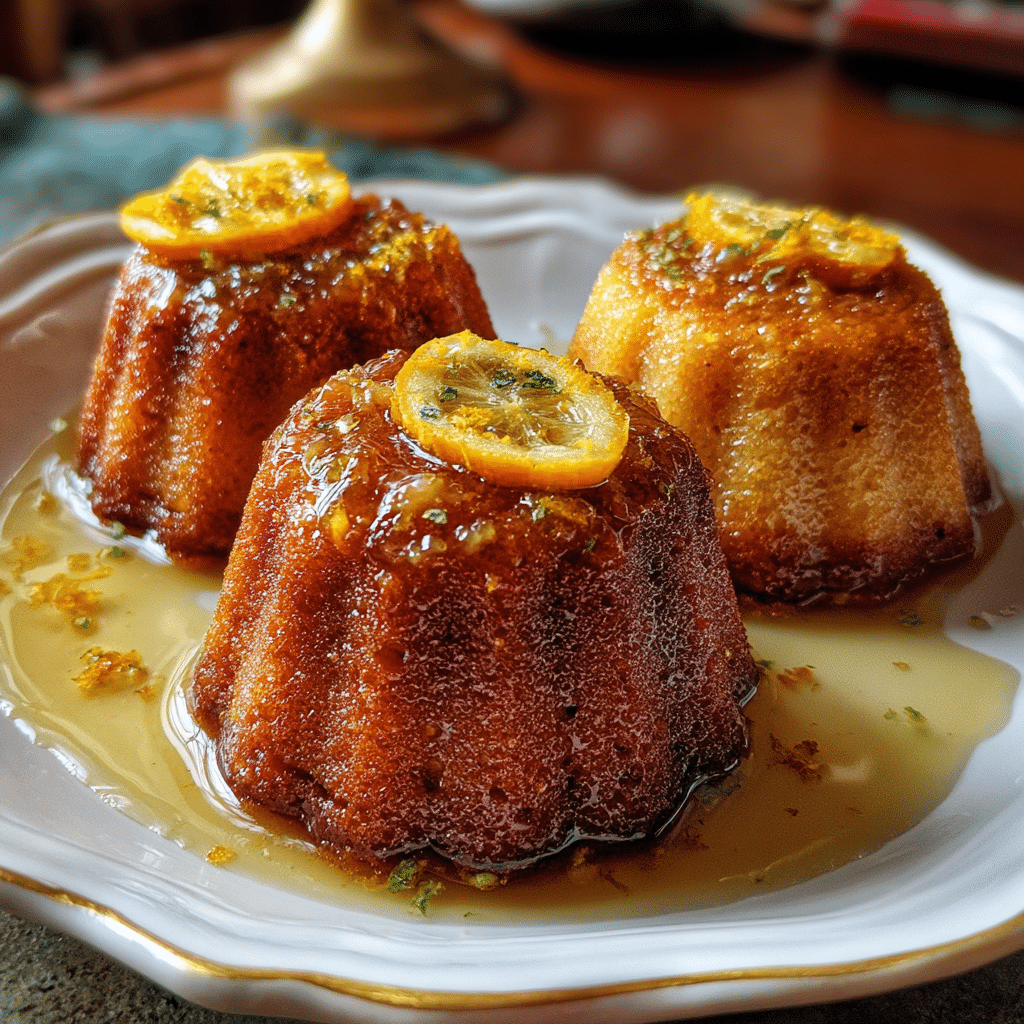
Ingredients and Prep for Orange Ginger Honey Cake
Success in baking starts long before you turn on your oven. Proper ingredient preparation and understanding how components work together separates amateur results from professional-quality orange ginger honey cakes. This section covers everything you need to know about getting your ingredients ready for optimal baking success.
Essential Prep Steps for Orange Ginger Honey Cake
Before you mix a single ingredient, take time to properly prepare your workspace and components. This mise en place approach, borrowed from professional kitchens, prevents mistakes and ensures smooth execution. Start by bringing all refrigerated ingredients to room temperature at least one hour before baking. Room temperature butter creams properly with sugar, creating the air pockets essential for light texture. Cold butter won’t incorporate fully, leading to dense cakes with an uneven crumb. Similarly, room temperature eggs blend more thoroughly into batters without deflating the air you’ve carefully beaten into your butter and sugar mixture.
Measure honey accurately by coating your measuring cup with a light spray of cooking oil or a thin layer of butter before pouring in the honey. This coating allows the honey to slide out cleanly, ensuring you get the full measured amount into your batter rather than leaving a third of it stuck to the cup. Alternatively, if your recipe also calls for oil, measure the oil first in the same cup, then use that same cup for honey without washing it.
Zesting citrus requires a light touch for best results. Use a microplane grater and take only the bright colored outer layer of the peel, avoiding the white pith underneath which tastes bitter and can ruin your cake’s flavor. Work over a bowl to catch every precious bit of zest, and zest the fruit before juicing since zesting a juiced orange is nearly impossible.
Grating fresh ginger properly makes the difference between pleasant warmth and unpleasant fibrous bits in your finished cake. Peel only the thin outer skin using the edge of a spoon, which removes just the papery covering while preserving the flavorful flesh underneath. Grate on the finest holes of your box grater or use a microplane, working in one direction to create a fine, almost paste-like consistency that distributes evenly through batter.
Preparing your baking pan correctly prevents the heartbreak of a cake that sticks and tears when you try to remove it. Butter the pan generously, reaching into every corner and crevice. Dust with flour, then tap out the excess. For extra insurance, line the bottom with parchment paper cut to fit exactly. This triple-layer approach guarantees clean release every time.
Flavor Foundations for Orange Ginger Honey Cake
The marinade equivalent in baking is proper ingredient combination that allows flavors to develop before baking. Unlike savory cooking where marinades tenderize through acid and time, baking flavor development happens through proper mixing techniques and strategic ingredient pairing.
Create a honey-orange syrup by gently warming half your recipe’s honey with fresh orange juice and zest. This infusion allows the citrus oils to dissolve into the honey, creating a more unified flavor that permeates throughout your entire cake rather than having distinct honey taste and separate orange taste. Let this mixture cool to room temperature before adding it to your batter. The cooling step is crucial since hot liquid would melt your butter and deflate your carefully creamed mixture.
For the ginger component, create a flavor paste by combining freshly grated ginger with a small amount of sugar from your recipe and a pinch of salt. This mixture draws out ginger’s essential oils while the sugar granules break down some of the fibers, preventing stringy bits in your finished cake. Let this paste sit for about ten minutes before incorporating it into your batter. The sugar will become slightly wet as it pulls moisture and oils from the ginger, creating an intensely flavored ingredient that distributes more evenly than raw grated ginger alone.
Blooming your ground spices enhances their impact dramatically. If your recipe includes cinnamon, cardamom, or additional ground ginger alongside fresh ginger, toast these spices gently in a dry pan for about 30 seconds until fragrant. This brief heating activates aromatic compounds that would otherwise remain dormant, multiplying the flavor impact without increasing the amount of spice. Allow toasted spices to cool completely before adding to your recipe.
Pantry Essentials for Perfect Orange Ginger Honey Cake
Beyond the star ingredients, certain pantry staples make the difference between good cakes and exceptional ones. Baking soda acts as your primary leavening agent in these recipes, reacting with the acidic orange juice to create carbon dioxide bubbles that lift and lighten your cake. Check the expiration date on your baking soda since old leavening agents lose potency and result in dense, flat cakes. Test baking soda freshness by dropping a quarter teaspoon into a small amount of vinegar; it should bubble vigorously if still active.
Vanilla extract enhances all the other flavors in your cake without making it taste specifically of vanilla. Use pure vanilla extract rather than imitation for the best results, as the real thing contains over 200 flavor compounds that imitation versions can’t replicate. The complex background notes from real vanilla make your orange taste more orangey and your ginger more vibrant through flavor synergy.
Salt might seem like an odd inclusion in a sweet cake, but it’s absolutely essential. Salt suppresses bitterness, enhances sweetness perception without adding more sugar, and strengthens the gluten structure in your flour for better texture. Use fine sea salt or table salt for even distribution throughout your batter.
A small amount of acid beyond what’s in orange juice helps ensure tender texture. Many bakers add a tablespoon of apple cider vinegar or white vinegar to their liquid ingredients. This extra acid reacts with baking soda more reliably than orange juice alone, guaranteeing good rise. The vinegar flavor completely disappears during baking, leaving only its beneficial effects on texture.
High-quality neutral oil like grapeseed, vegetable, or canola oil often appears in the best orange ginger honey cake recipes alongside or instead of butter. Oil creates incredibly moist cakes that stay soft longer than butter-only versions since oil remains liquid at room temperature while butter solidifies. For ultimate moistness, use a combination of butter for flavor and oil for texture.
Step-by-Step Cooking Instructions for Orange Ginger Honey Cake
Now we arrive at the moment where preparation transforms into creation. These detailed instructions will guide you through five distinct orange ginger honey cake variations, each with its own character and appeal. Master these techniques, and you’ll be able to create impressive cakes for any occasion with confidence.
Recipe 1: Classic Orange Ginger Honey Cake – Pre-Cooking Prep
This foundational recipe creates a beautifully balanced cake with equal representation of all three signature flavors. Begin by preheating your oven to 350°F, positioning the rack in the center for even heat distribution. Prepare a 9-inch round cake pan or an 8×8-inch square pan using the buttering, flouring, and parchment paper method described earlier.
In a medium bowl, whisk together two cups all-purpose flour, one and a half teaspoons baking soda, half teaspoon salt, one teaspoon ground ginger, and half teaspoon ground cinnamon. Set this dry mixture aside. In a small bowl, combine three-quarters cup fresh orange juice with one tablespoon apple cider vinegar and set aside to curdle slightly, creating a buttermilk-like mixture that will react powerfully with the baking soda.
In your largest mixing bowl using an electric mixer, cream together half cup softened butter with half cup granulated sugar until light and fluffy, about three minutes. This creaming process incorporates air that will help your cake rise. Add three-quarters cup honey and beat for another minute until fully combined. Add two large eggs one at a time, beating well after each addition until the mixture looks smooth and emulsified rather than separated or curdled.
Add two tablespoons freshly grated ginger and the zest of two oranges to your wet ingredients, beating briefly to distribute. Now you’re ready to combine everything, which requires a delicate touch to avoid overmixing that would create tough, dense cake texture.
Recipe 1: Classic Orange Ginger Honey Cake – Cooking Method
With your mixer on the lowest speed or using a wooden spoon for more control, add one-third of your flour mixture to the wet ingredients, stirring just until you can no longer see dry flour streaks. Add half of your orange juice mixture and stir gently until incorporated. Add another third of the flour, then the remaining orange juice, and finally the last third of flour. This alternating method prevents overmixing while ensuring even distribution of ingredients. Your final batter should look smooth but slightly thick, similar to a very soft cookie dough that slowly drops from a spoon rather than pouring freely.
Pour the batter into your prepared pan, using a spatula to spread it evenly into corners and smooth the top. Tap the pan firmly on the counter twice to release any large air bubbles that could create tunnels or holes in your finished cake. Place the pan in your preheated oven on the center rack.
Bake for 35 to 45 minutes without opening the oven door for the first 30 minutes, as temperature fluctuations during early baking can cause cakes to sink in the middle. After 35 minutes, check for doneness by inserting a wooden toothpick or cake tester into the center of the cake. It should come out with just a few moist crumbs clinging to it, not wet batter. The cake should also spring back when lightly pressed in the center, and the edges should just be starting to pull away from the pan sides.
If your cake needs more time, check again every three minutes to avoid overbaking. Oven temperatures vary significantly, so rely on visual and textural cues rather than time alone. The top should be golden brown and may have developed small cracks, which are perfectly normal and actually indicate good rise.
Recipe 1: Classic Orange Ginger Honey Cake – Doneness Check
Understanding proper doneness prevents both underbaked centers and dry, overbaked disasters. For this style of honey cake, the toothpick test should show moist crumbs but no liquid batter. If you have an instant-read thermometer, insert it into the cake’s center; it should read between 200°F and 210°F for fully baked cake with proper structure.
Visual cues matter just as much as temperature. The cake should have risen notably from its unbaked height, with a gently domed or level top depending on your oven’s heat distribution. The edges should appear set and may have pulled slightly away from the pan sides, creating a small gap. The top surface should look dry rather
PrintOrange Ginger Honey Cakes: 5 Easy Recipes That Wow Every Time
This Orange Ginger Honey Cake is a moist and aromatic dessert combining fresh citrus, warming ginger, and natural honey sweetness. It’s perfect for fall or anytime you want a flavorful treat.
- Prep Time: 15 mins
- Cook Time: 40 mins
- Total Time: 55 mins
- Yield: 8 servings 1x
- Category: Dessert
- Method: Baking
- Cuisine: American
- Diet: Vegetarian
Ingredients
- 2 cups all-purpose flour
- 1 tbsp fresh grated ginger
- 1/2 tsp ground cinnamon
- 1/2 tsp baking soda
- 1/4 tsp salt
- 1/2 cup unsalted butter, softened
- 3/4 cup honey
- 3 large eggs
- 1/2 cup fresh orange juice
- Zest of 2 oranges
- 1 tsp vanilla extract
Instructions
- 1. Preheat oven to 350°F (175°C). Grease and flour a 9-inch cake pan.
- 2. In a bowl, whisk flour, ginger, cinnamon, baking soda, and salt.
- 3. In another bowl, beat butter and honey until creamy.
- 4. Add eggs one at a time, beating well.
- 5. Mix in orange juice, orange zest, and vanilla extract.
- 6. Gradually add dry ingredients to wet, mixing until just combined.
- 7. Pour batter into pan and bake for 35-40 minutes.
- 8. Cool before serving.
Notes
- Use fresh ginger for best flavor.
- Can substitute maple syrup for honey.
- Top with whipped cream or orange glaze.
- Great served with a cup of tea or coffee.
Nutrition
- Serving Size: 1 slice
- Calories: 280
- Sugar: 22g
- Sodium: 160mg
- Fat: 12g
- Saturated Fat: 7g
- Unsaturated Fat: 4g
- Trans Fat: 0g
- Carbohydrates: 38g
- Fiber: 2g
- Protein: 3g
- Cholesterol: 65mg
Keywords: orange ginger honey cake, spiced cake, easy dessert, autumn cake